

Mon-Fri 9am-6pm PST
+1 (800) 686-5898
support@longevitybased.com
Mon-Fri: 9am-6pm PST

TL;DR:
- Sauna use can reduce sebum production and strengthen the skin barrier when used correctly.
- Proper post-sauna cleansing is essential to prevent sweat and oil from clogging pores and worsening acne.
- Consistent sessions combined with good hygiene and targeted treatments support healthier, clearer skin.
Sweating in a sauna is widely blamed for triggering breakouts, yet the science tells a more interesting story. For people managing acne, the instinct to avoid anything that makes you sweat more is understandable. But dismissing saunas entirely means missing out on real, measurable skin benefits. Heat therapy, when used correctly, can reduce sebum production, support the skin barrier, and even prepare your skin to absorb topical treatments more effectively. This article breaks down the evidence, identifies the specific habits that turn sauna sessions from beneficial to harmful, and gives you a practical framework for using heat therapy as part of a smarter acne management routine.
| Point | Details |
|---|---|
| Sauna reduces skin oil | Evidence shows that regular sauna sessions can decrease sebum (skin oil) and support overall skin health. |
| Proper cleansing matters | Not washing your skin after the sauna can lead to clogged pores and more acne. |
| Combine treatments for best results | Saunas are most effective for acne when paired with good hygiene and compatible skin treatments. |
| Moderation is key | Frequent, intense sauna use can cause irritation; stick to short, moderate sessions for healthy skin. |
Understanding what actually happens to your skin during a sauna session is the foundation for using heat therapy wisely. When your body temperature rises, your pores dilate and sweat glands activate. This process flushes out debris that accumulates in pores over time. More importantly, it sets off a cascade of physiological responses that go well beyond simple sweating.
Regular sauna use reduces sebum levels while also improving skin hydration and the integrity of the skin barrier. Sebum is the oily substance produced by sebaceous glands, and excess sebum is one of the primary drivers of acne formation. Reducing it consistently is a meaningful benefit, not a minor footnote.
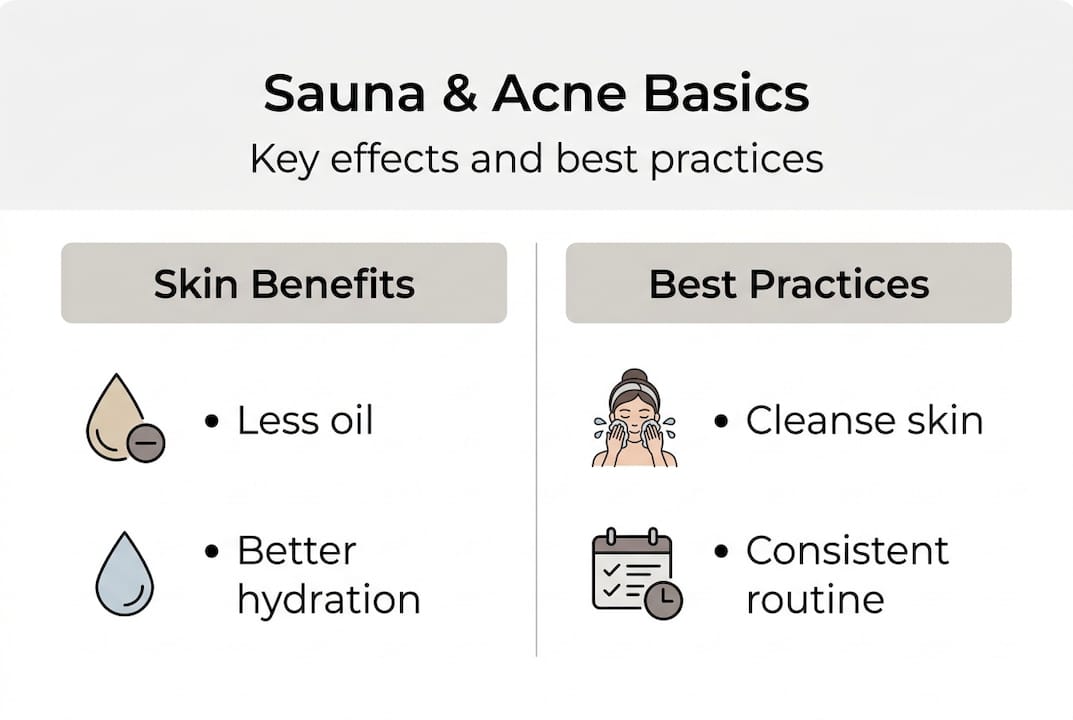
The skin barrier, which is the outermost protective layer of the skin, also responds positively to moderate heat exposure. A stronger barrier means less vulnerability to environmental irritants and bacteria that contribute to breakouts. This is particularly relevant for people with acne, since compromised barrier function is common in acne-prone skin.
Here is how sauna use compares across different skin types:
| Skin type | Sauna benefit | Key consideration |
|---|---|---|
| Oily or acne-prone | Reduces sebum, unclogs pores | Must cleanse immediately after |
| Dry or sensitive | Improves hydration, supports barrier | Shorter sessions, lower heat |
| Combination | Balances oil and moisture levels | Monitor for localized reactions |
| Normal | General skin health maintenance | Standard sessions are well tolerated |
“Heat therapy supports the skin’s natural regulatory functions, and for oily or acne-prone skin, the sebum-reducing effect is one of the most clinically relevant outcomes.”
Key physiological benefits of sauna use for acne-prone skin include:
For those interested in the broader picture of sauna health and longevity, the skin benefits are just one part of a much wider set of physiological advantages that make regular sauna use worth considering.
While the basic effects seem positive, there are pitfalls you need to avoid if you don’t want your sauna time to backfire. The same sweat that helps flush pores can become a problem if it sits on your skin too long after a session.
Sweat mixed with sebum can clog pores if you don’t cleanse immediately after leaving the sauna. This is the central mechanism behind post-sauna breakouts, and it explains why some people report worsening acne after heat therapy. The problem isn’t the sauna itself. It’s what happens in the 30 to 60 minutes after the session ends.
“The sauna doesn’t cause acne. Neglecting your skin in the window right after the session does.”
Here are the most common mistakes that make acne worse after sauna use:
Pro Tip: Keep a gentle, fragrance-free cleanser in your gym bag specifically for post-sauna use. Cleansing within 15 minutes of leaving the sauna is the single most effective habit for preventing sweat-related breakouts.
People with conditions like eczema face additional considerations around heat exposure. Understanding sauna and eczema risks is important before committing to a regular routine, since inflamed or compromised skin responds differently to heat than healthy skin does. Similarly, reviewing a sauna frequency guide helps you avoid overdoing it, which is a real risk for acne-prone skin.
Knowing the risks is only half the story. Here’s exactly how to get the most acne-clearing benefits from your sauna time.
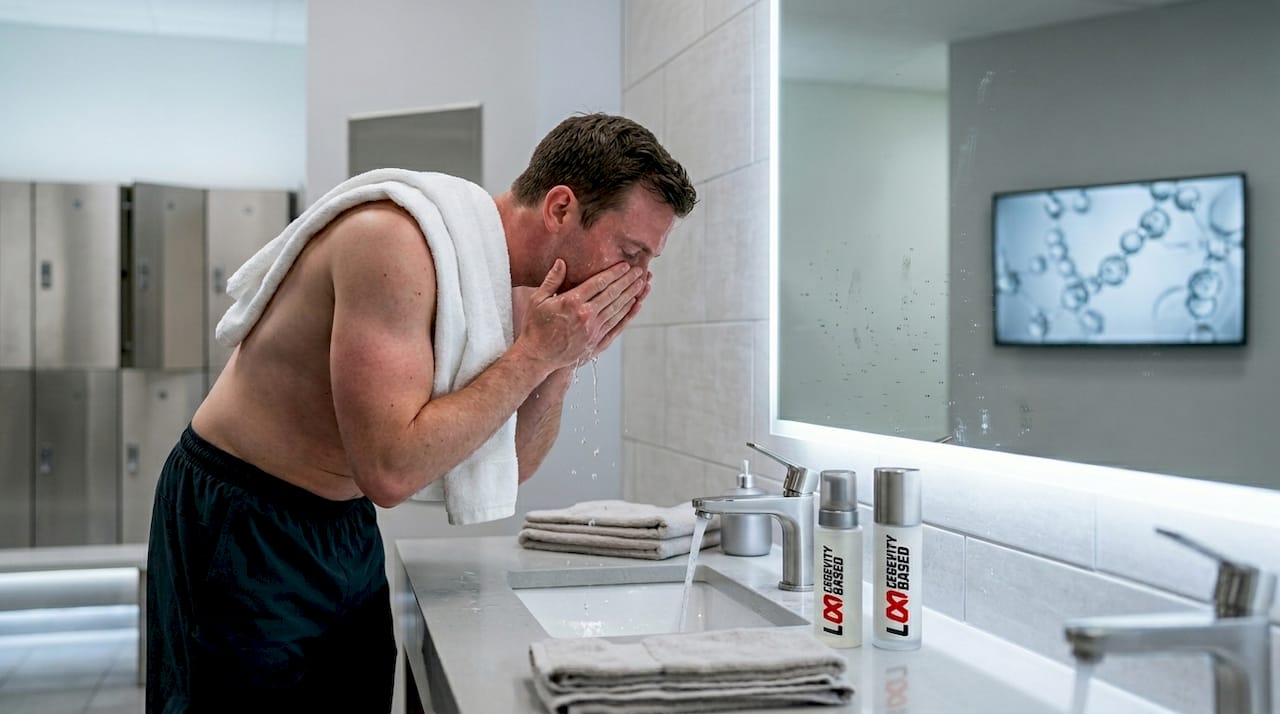
The data on sebum reduction from sauna use is encouraging, but those benefits only materialize when sessions are paired with proper hygiene. And because sweat left on skin can worsen acne, the post-session routine is just as important as the session itself.
Here is a practical guide to safe sauna routines by skin type:
| Skin type | Session length | Temperature | Frequency | Post-session priority |
|---|---|---|---|---|
| Oily or acne-prone | 10 to 15 minutes | 150 to 170°F | 2 to 3x per week | Gentle cleanse within 15 min |
| Dry or sensitive | 8 to 12 minutes | 140 to 160°F | 1 to 2x per week | Hydrating toner, light moisturizer |
| Combination | 12 to 15 minutes | 150 to 165°F | 2 to 3x per week | Cleanse, then zone-specific care |
| Normal | 15 to 20 minutes | 150 to 175°F | 3 to 4x per week | Standard cleanse and moisturize |
Follow these steps for every sauna session when acne is a concern:
Pro Tip: Infrared saunas operate at lower temperatures (120 to 140°F) and penetrate tissue more deeply, which some users with sensitive or inflamed acne find more comfortable than traditional Finnish saunas. Neither type is definitively better for acne, but infrared may be a gentler starting point. Check the guidance on optimal sauna session length to calibrate your sessions correctly.
If you’re exploring other ways to tackle acne, it’s important to understand where sauna fits into a complete routine.
Sauna sessions can actually prime your skin for other treatments. Dilated pores and improved circulation after a session create a window where topical actives, such as niacinamide or azelaic acid, may absorb more effectively. This is a practical advantage that most people overlook entirely.
Sauna use supports reduced oiliness and improved skin hydration, which creates a favorable environment for both topical and technology-based acne treatments to work more efficiently. Red light therapy is one of the most evidence-supported options in this space. It works by delivering specific wavelengths of light that reduce inflammation, support cellular repair, and target acne-causing bacteria without heat or irritation.
Here is how sauna fits alongside other acne management strategies:
Pro Tip: Schedule your sauna session in the evening, then apply your topical acne treatment 30 minutes after cleansing. Your skin will be clean, circulation will be elevated, and absorption conditions will be near optimal.
For those curious about the recovery and performance side of heat therapy, the infrared sauna benefits for post-workout recovery overlap meaningfully with skin health, since reduced inflammation benefits both muscle tissue and acne-prone skin simultaneously.
Having explored the facts and best practices, here’s our perspective on where most people misunderstand saunas and acne.
The dominant narrative is simple: sweat causes acne, so saunas are bad for breakouts. This is wrong, and it leads people to either avoid a genuinely useful tool or use it carelessly and blame the heat when their skin reacts.
Sweat isn’t the enemy. Poor cleansing habits are. We’ve seen this pattern repeatedly: someone tries a sauna, skips the post-session wash, breaks out, and concludes that heat therapy isn’t for them. The sauna didn’t fail them. Their routine did.
The other overlooked factor is consistency. Sporadic sauna use doesn’t deliver the sebum-reducing, barrier-strengthening benefits that using saunas for wellness research points to. Two to three sessions per week, sustained over weeks, is where the real skin improvements show up. Skin hydration and barrier repair are cumulative processes, not one-session outcomes.
If you’re serious about using sauna as a skin health tool, treat it like any other evidence-based protocol: consistent, structured, and paired with good hygiene.
For those ready to go beyond sauna routines, the intersection of biohacking and skin health offers some genuinely powerful options. Red light therapy, in particular, has strong clinical backing for reducing acne-related inflammation and supporting skin repair at the cellular level. It pairs naturally with a sauna-based routine, addressing the biological drivers of acne that heat therapy alone can’t reach.
At Longevity Based, you’ll find devices like the portable red light therapy unit designed for targeted skin treatment, alongside the full BioLight acne solutions range built specifically for skin clarity and health. If you want to explore the broader toolkit for skin optimization and longevity, browse all longevity products to find what fits your routine.
Sweating can help unclog pores, but the benefit only holds if you cleanse your skin promptly after leaving the sauna. Sweat left on skin can worsen acne if not washed off within 15 to 30 minutes.
Two to three sessions per week is typically safe and effective for acne-prone skin when paired with consistent cleansing. Regular sauna use reduces sebum without over-irritating the skin when frequency is kept moderate.
Saunas support clearer skin but work best alongside proven acne treatments and a structured skincare routine. Sauna can reduce oil but isn’t a replacement for medical acne therapy when breakouts are moderate to severe.
Both infrared and traditional saunas may benefit skin health, but neither is proven superior for acne when healthy habits are in place. Different sauna types show similar effects on skin health when routines are followed properly.


