

Mon-Fri 9am-6pm PST
+1 (800) 686-5898
support@longevitybased.com
Mon-Fri: 9am-6pm PST

TL;DR:
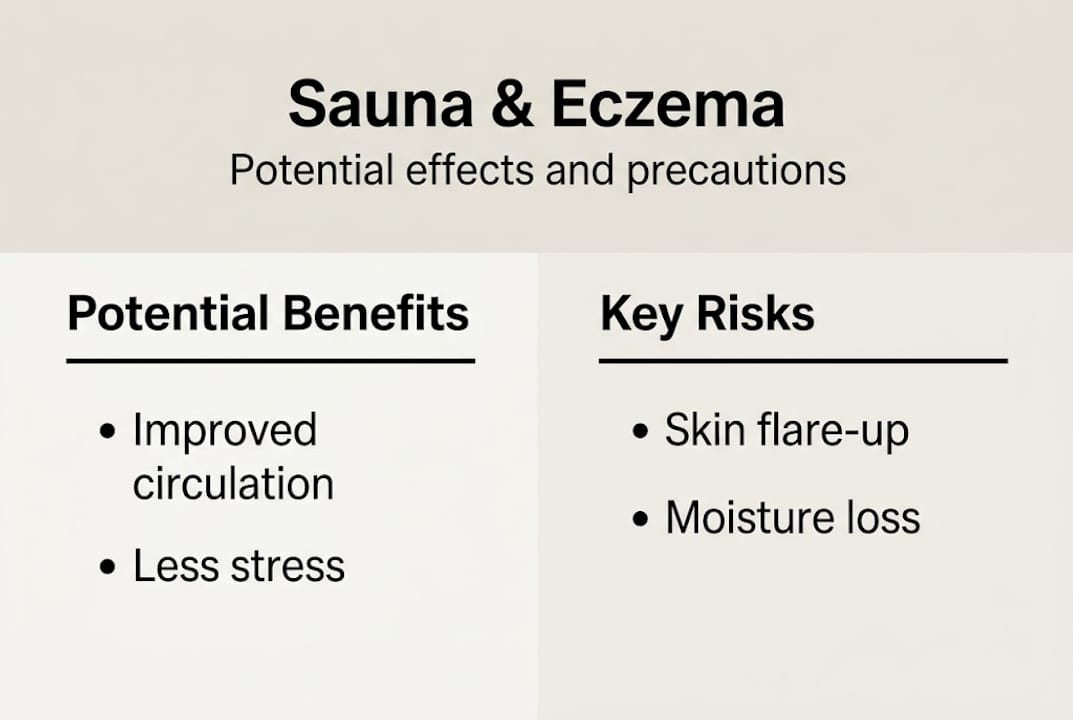
- Sauna therapy can benefit some eczema patients during stable periods, supporting circulation and relaxation.
- Individuals with active flares, open wounds, or heat sensitivity should avoid sauna use due to potential inflammation.
- Responsible sauna use involves short sessions, careful monitoring, and immediate post-session moisturization to prevent flare-ups.
Most people with eczema are told to stay away from heat. Yet a growing number of eczema sufferers report real, lasting relief from regular sauna sessions. This apparent contradiction sits at the heart of one of the more debated topics in sensitive skin care. The reality is more layered than a simple yes or no. Sauna therapy can offer genuine benefits for some people while triggering serious flares in others. This guide examines the evidence, identifies who should proceed with caution, and offers practical steps for anyone considering sauna as part of their skin health routine.
| Point | Details |
|---|---|
| Not for every case | Saunas are risky for severe eczema, open wounds, or heat sensitivity. |
| Benefits possible | Some eczema sufferers experience temporary itch relief and improved circulation from sauna sessions. |
| Careful monitoring | Always watch for increased redness, discomfort, or dehydration—adjust sessions or skip if symptoms worsen. |
| Alternatives available | Red light therapy and recovery tools may offer safer symptom improvement for sensitive skin. |
Eczema, clinically known as atopic dermatitis, is a chronic inflammatory skin condition affecting roughly 10 to 20 percent of children and up to 10 percent of adults worldwide. It disrupts the skin’s barrier function, leaving it unable to retain moisture effectively and highly vulnerable to irritants, allergens, and environmental triggers. Symptoms range from intense itching and redness to cracked, weeping skin during active flares.
Heat is one of the most commonly reported triggers. When body temperature rises, blood vessels near the skin dilate, increasing blood flow and potentially intensifying inflammation in already compromised tissue. Sweat, while a natural cooling mechanism, can also irritate sensitized skin, particularly in the folds of the elbows, knees, and neck where eczema frequently appears.
Saunas come in several forms, each delivering heat differently:
Each type interacts with the skin differently, and that distinction matters for eczema sufferers. The skin inflammation and sauna relationship is not one-size-fits-all. Infrared saunas, for example, tend to produce less surface heat stress, which some users with sensitive skin find more tolerable.
Expert note: As dermatologists caution, heat can worsen inflammation in conditions like rosacea and eczema, particularly during active flares. The key variable is timing and skin status, not sauna use in general.
Understanding how your skin responds to heat on any given day is the foundation for making safe decisions about sauna exposure.
Having clarified eczema’s heat response, let’s weigh the possible upsides for those considering sauna as a new approach.
Sauna therapy is not without genuine physiological benefits. For individuals in remission or with mild, stable eczema, regular sessions may support skin health in several meaningful ways.
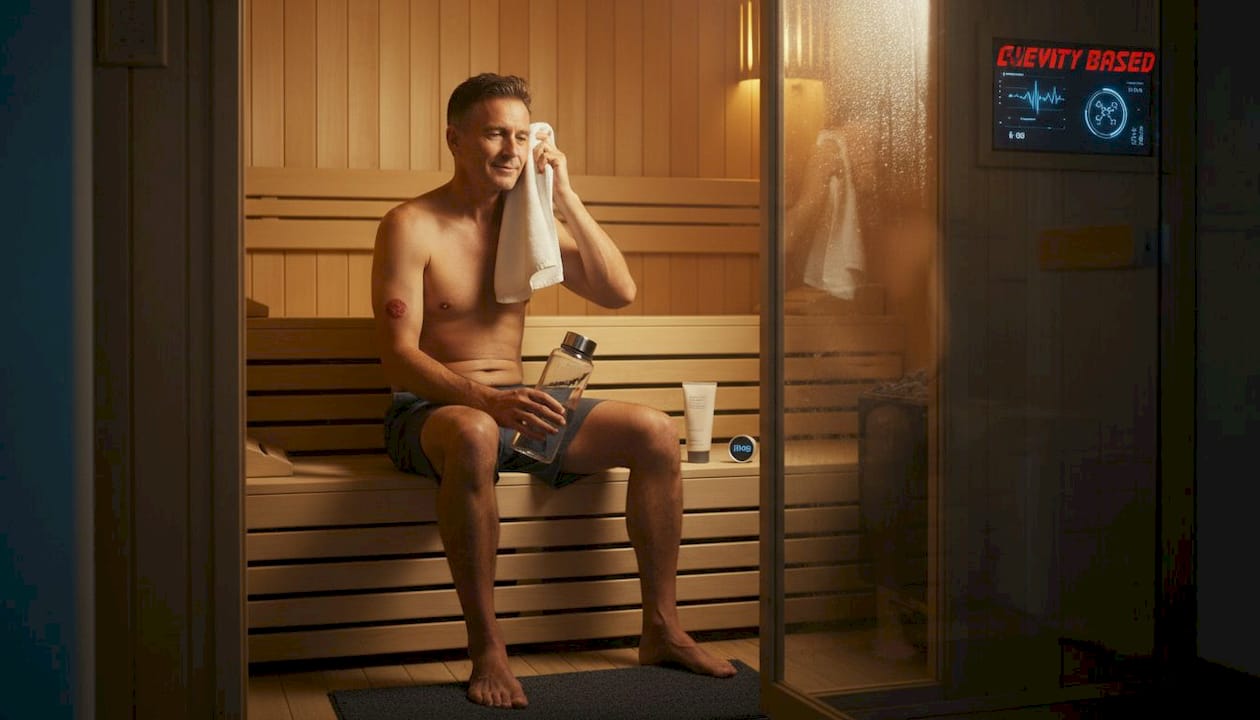
Circulation and skin repair: Heat exposure increases peripheral blood flow, delivering more oxygen and nutrients to skin cells. Improved microcirculation may support the skin’s natural repair processes, particularly in areas prone to chronic dryness and barrier damage.
Sweat and skin cleansing: Sweating opens pores and may help clear surface debris and certain irritants. While the idea of sweating out toxins is often overstated, the mechanical effect of sweat flushing the skin surface has some practical value for those managing congested or reactive skin.
Stress reduction: Chronic stress is a well-documented eczema trigger. Sauna use activates the parasympathetic nervous system, lowering cortisol levels and promoting relaxation. This indirect benefit can be meaningful for those whose flares are stress-driven.
Here’s a clear comparison of what the evidence supports versus what remains anecdotal:
| Claimed benefit | Evidence level | Notes |
|---|---|---|
| Improved circulation | Moderate | Supported by general heat physiology research |
| Toxin elimination via sweat | Weak | Overstated; kidneys and liver do most of this work |
| Itch relief | Anecdotal | Temporary; may worsen after cooling |
| Stress reduction | Moderate | Cortisol reduction is well-documented |
| Barrier function improvement | Limited | More research needed for eczema specifically |
The sauna longevity effects literature also highlights cardiovascular and metabolic benefits that may support overall health, indirectly benefiting skin conditions tied to systemic inflammation.
That said, active flares with open wounds, heat urticaria (a condition where heat triggers hives), and severe uncontrolled eczema are clear contraindications. Sauna is not a treatment for eczema. At best, it is a complementary tool used carefully during stable periods.
Pro Tip: Moisturize immediately after your sauna session, within two to three minutes of exiting, while your skin is still slightly warm. This window maximizes absorption and helps prevent the post-sauna dryness that can trigger a flare.
Despite potential benefits, there are important risks. Let’s break down exactly who should steer clear and how to stay safe.
Not everyone with eczema is a candidate for sauna therapy. Several conditions make heat exposure genuinely harmful rather than helpful.
Conditions where sauna is not advised:
These sauna cautions are not arbitrary. Heat dilates blood vessels and amplifies inflammatory signaling, which can rapidly escalate a minor flare into a significant one.
Warning signs to watch for during or after a session:
| Symptom | Severity level | Action |
|---|---|---|
| Mild redness that fades within 30 minutes | Low | Monitor; apply moisturizer |
| Persistent redness or new rash | Moderate | Exit sauna; do not return that session |
| Stinging, burning, or blistering | High | Exit immediately; seek medical advice |
| Hives or swelling | High | Exit immediately; possible heat urticaria |
| Dizziness or chest discomfort | Critical | Exit immediately; seek emergency care |
For safe sauna session safety, always enter with clean, dry skin free of active wounds. Keep sessions short, stay well-hydrated before entering, and never use a sauna alone if you have a history of heat sensitivity.
Pro Tip: If your skin feels hot, stings, or you have any signs of infection, skip the sauna entirely and consult your dermatologist before your next session. No single session is worth triggering a prolonged flare.
Once you understand why and when sauna could pose risks, here’s how to put it into practice safely for your skin.
Responsible sauna use for eczema requires a structured approach. Improvising is where most people run into trouble.
Step-by-step session guide for eczema sufferers:
Dos and don’ts:
Following a consistent sauna frequency guide is also important. For sensitive skin, one to two sessions per week during stable periods is a reasonable starting point. More frequent use increases cumulative heat stress on already compromised skin.
As dermatologists note, heat can worsen inflammation in eczema, which is why controlled, intentional exposure matters far more than frequency or duration.
Pro Tip: Treat your first three sauna sessions as a patch test for your whole body. Keep them short, take notes on how your skin responds, and build a personal baseline before increasing intensity.
Most articles on sauna and eczema frame the question as binary: either sauna helps or it harms. That framing misses the most important variable, which is the individual.
Eczema is not a single condition. It exists on a spectrum, influenced by genetics, microbiome health, stress levels, allergen load, and even climate. Two people with identical diagnoses can have completely opposite responses to the same sauna session. Standard guides rarely account for this variability.
The honest truth is that sauna is neither a therapy nor a contraindication for eczema as a whole. It is a tool, and like any tool, its value depends entirely on how and when it is used. Personalized sauna advice that accounts for your specific triggers, flare patterns, and skin barrier status will always outperform generic recommendations.
What most guides also overlook is the role of complementary therapies. Sauna is one data point in a broader skin health strategy. Red light therapy, cold therapy, and targeted nutrition all interact with the inflammatory pathways driving eczema. As dermatologists caution, heat can worsen inflammation, but that does not mean heat-based therapies are categorically off the table. It means precision matters.
For those interested in expanding their wellness routine beyond the sauna, Longevity Based offers a range of science-backed tools designed to support skin health and recovery. If heat-based therapy feels too unpredictable for your skin, red light therapy options offer a gentler, non-thermal alternative that supports cellular repair and reduces inflammation without the heat stress that can trigger eczema flares. For a flexible, at-home option, the portable red light therapy device lets you target specific areas with precision. These tools are built for people who take their skin health seriously and want evidence-based solutions that fit a real wellness routine.
No. Active flares, open wounds, heat urticaria, severe uncontrolled eczema, and cardiovascular conditions all make sauna use unsafe. Always consult your dermatologist before starting sauna therapy.
Sauna may temporarily relieve surface dryness, but it also accelerates fluid loss through sweat. Since heat can worsen inflammation, applying a ceramide-rich moisturizer immediately after every session is essential to prevent net dehydration.
Evidence is limited, but infrared saunas operate at lower ambient temperatures, which some individuals with sensitive skin find more tolerable. Both types produce heat that can either relieve or trigger symptoms depending on individual skin status, as dermatologists warn.
Start with 5 to 10 minutes per session and monitor your skin’s response for 24 to 48 hours afterward. Gradually increase duration only if your skin consistently tolerates shorter exposures without flaring.
Red light therapy, consistent fragrance-free moisturizing routines, stress reduction practices, and cold therapy are all promising alternatives that carry lower risk for heat-sensitive skin.


