

Mon-Fri 9am-6pm PST
+1 (800) 686-5898
support@longevitybased.com
Mon-Fri: 9am-6pm PST

TL;DR:
- Sauna therapy can reduce chronic low back pain by up to 70% through improved circulation, muscle relaxation, and anti-inflammatory effects.
- Regular sauna use is most effective for muscular and myofascial pain, with safety considerations for specific health conditions.
- Infrared saunas offer a gentler, deeper heat option suitable for heat-sensitive individuals and long-term pain management.
Clinical trials show that sauna therapy can reduce chronic low back pain intensity by up to 70%, a result that surprises many people who assume medication and rest are the only real options. Sauna therapy works through several well-documented biological mechanisms, and the evidence supporting it as a complementary approach is growing steadily. This guide walks you through exactly how saunas relieve back pain, what the clinical data actually shows, who should be cautious, and how to build a practical routine that gets results.
| Point | Details |
|---|---|
| Science-backed pain relief | Clinical studies show sauna therapy can reduce chronic back pain by 40-70% when used routinely. |
| Muscular vs structural pain | Sauna therapy is most effective for muscular or myofascial back pain, but not for structural spine issues. |
| Safety first | Proper screening and medical consultation are essential to avoid risks, especially for people with health conditions. |
| Infrared saunas for sensitivity | Infrared saunas are ideal for users who find traditional dry heat too intense. |
| Combine therapies | Maximize benefits by integrating sauna sessions with stretching, hydration, and professional care. |
Understanding the biology behind sauna therapy makes it easier to use strategically rather than randomly. Heat does far more than just feel good on a sore back. It triggers a cascade of physiological responses that directly target the mechanisms driving chronic pain.
When you sit in a sauna, your core temperature rises and blood vessels dilate. This process, known as vasodilation, significantly increases circulation to the muscles and connective tissues surrounding the spine. Oxygen and nutrients flood into areas that may have been chronically underserved due to muscle tension or sedentary habits. The sauna science explained behind this effect is well-documented and forms the foundation of heat therapy protocols used in clinical settings.
Beyond circulation, heat directly relaxes the paraspinal muscles, which are the deep muscles running alongside the spine. Tension in these muscles is a primary driver of chronic low back pain. Heat also reduces inflammatory markers, including TNF-α and C-reactive protein (CRP), while upregulating IL-10, an anti-inflammatory cytokine. According to published research, heat from saunas relaxes paraspinal muscles, increases blood flow, reduces inflammation via anti-inflammatory cytokines, and triggers endorphin release. Endorphins are the body’s natural pain modulators, and their release during sauna sessions can meaningfully reduce pain perception.
Key biological mechanisms at work:
Dry sauna vs. infrared sauna for back pain:
| Feature | Dry sauna | Infrared sauna |
|---|---|---|
| Temperature range | 80–100°C (176–212°F) | 45–60°C (113–140°F) |
| Heat penetration | Surface level | Deeper tissue penetration |
| Tolerability | Intense, may be challenging | Gentler, suitable for sensitive users |
| Session duration | 10–20 minutes | 20–40 minutes |
| Best for | Healthy, heat-tolerant individuals | Those with heat sensitivity or fatigue |
Infrared saunas are particularly relevant for people with chronic back pain who find conventional sauna temperatures too intense. The lower ambient temperature with deeper tissue penetration makes infrared a practical option for consistent, long-term use.
Understanding how saunas interact with the body sets the stage for reviewing what clinical trials and studies show about real-world results. The data is genuinely encouraging, especially for chronic and muscular back pain.
Multiple clinical trials report meaningful reductions in pain scores following structured sauna protocols. One frequently cited outcome involves the Numerical Rating Scale (NRS) dropping from 6.9 to 3.0 after seven weeks of infrared therapy, representing a reduction of more than 56%. Other trials report pain reductions up to 70% in chronic low back pain patients using both dry and infrared saunas. Disability scores measured by the Oswestry Disability Index and Visual Analog Scale (VAS) also improve consistently with routine sauna use.
What the clinical data shows by pain type:
| Pain type | Sauna effectiveness | Notes |
|---|---|---|
| Chronic low back pain | High (up to 70% reduction) | Best evidence base |
| Myofascial/muscular pain | High | Responds well to heat and relaxation |
| Osteoarthritis (OA) | Moderate to high | Supported by rheumatic disease trials |
| Rheumatoid arthritis (RA) | Moderate | Reduces stiffness and pain |
| Ankylosing spondylitis (AS) | Moderate | Improves mobility and comfort |
| Acute back pain | Low | Heat may worsen acute inflammation |
| Structural spine issues | Low | Not a primary treatment |
The sauna clinical outcome data consistently shows that benefits are more pronounced in chronic versus acute pain, and that musculoskeletal conditions like osteoarthritis, rheumatoid arthritis, and ankylosing spondylitis respond well to regular sessions. For infrared sauna recovery, the gentler heat profile makes adherence easier over weeks and months.
Ranked outcomes from clinical trials:
It is important to set realistic expectations. Sauna therapy delivers consistent short-term relief, and persistent benefits are achievable with continued use. However, results are strongest for chronic, muscular, or myofascial pain. Structural spine problems, such as herniated discs or spinal stenosis, require targeted medical intervention and are not meaningfully addressed by heat therapy alone. The sauna muscle recovery literature reinforces this distinction clearly.
While sauna therapy can provide substantial relief, it’s crucial to know who should exercise caution or avoid sauna altogether. Heat stress places real demands on the cardiovascular and nervous systems, and certain conditions make sauna use genuinely risky.
Conditions that require medical clearance or full avoidance:
These contraindications are well-established and should be taken seriously. If you have any comorbidities or are managing chronic health conditions, consult your physician before starting a sauna protocol. This is not a formality. It is a practical step that protects you and ensures the therapy works in your favor.
“Sauna therapy is a powerful tool, but it demands respect. The same heat that relaxes muscles and reduces inflammation can become a stressor if applied without appropriate screening.”
Hydration is non-negotiable. Drink 16 to 24 ounces of water before a session, sip water if sessions exceed 20 minutes, and rehydrate with electrolytes afterward. Sodium, potassium, and magnesium are lost through sweat and need to be replaced.
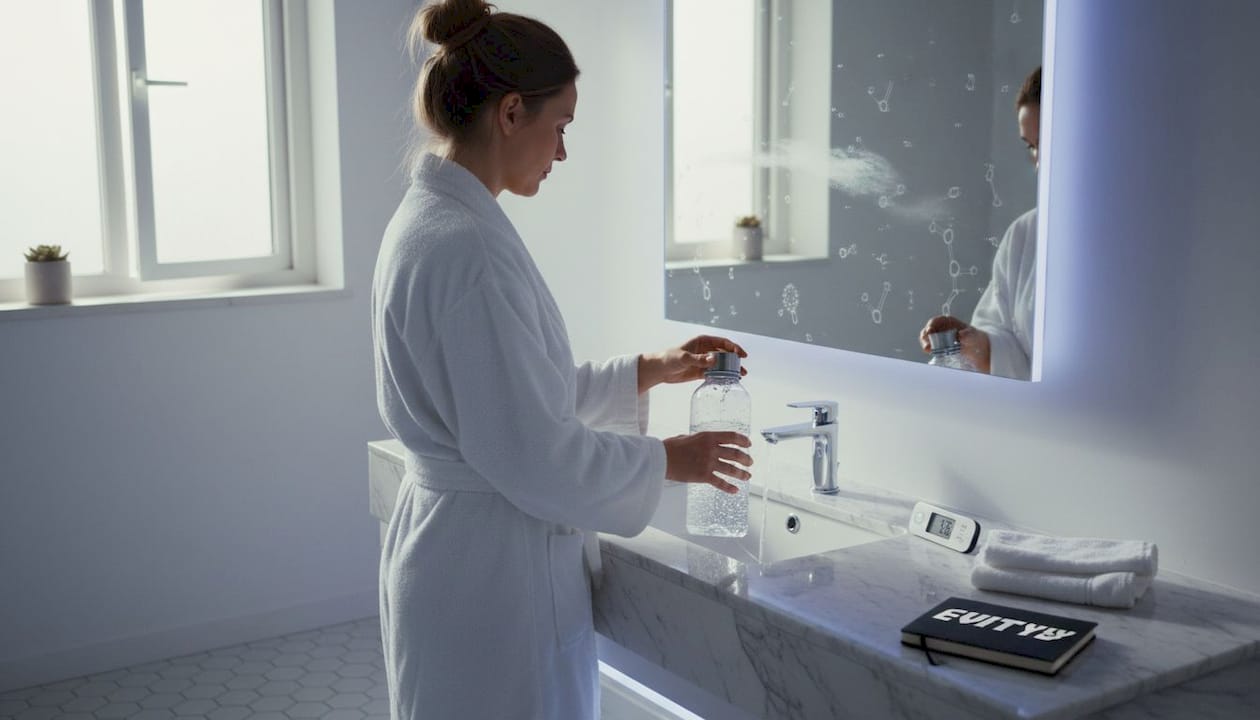
Pro Tip: If you are new to sauna use or managing a cardiovascular condition, start with infrared sauna sessions at lower temperatures (45 to 50°C) for 10 to 15 minutes. Review sauna safety tips and follow sauna frequency guidelines to build tolerance gradually and safely.
Session duration and temperature should always be tailored to individual tolerance. Pushing through discomfort in a sauna is not a sign of commitment. It is a warning sign.
Having covered safety, let’s focus on actionable tips to maximize your results and avoid common pitfalls. Structure matters more than intensity when it comes to sauna therapy for back pain.
Step-by-step protocol for chronic back pain relief:
Supporting habits that enhance outcomes:
Sauna is a complementary therapy for chronic back pain supported by clinical trials, but it is not a standalone cure. It works best for myofascial and muscular pain rather than structural issues. Infrared saunas are particularly suitable for heat-sensitive users who need a gentler entry point.
Pro Tip: For those using saunas for wellness as part of a broader biohacking stack, pairing sauna sessions with red light therapy on alternating days can address both the muscular and cellular dimensions of back pain recovery.
Consistency over intensity is the governing principle. Two to three months of regular sauna use produces more meaningful and durable results than sporadic high-frequency sessions.
Before wrapping up, let’s examine what’s often missed in the conversation about sauna therapy for back pain. Most articles either oversell sauna as a cure or dismiss it as a wellness trend. Neither framing serves you well.
The honest picture is this: empirical data shows consistent short-term pain relief with reductions of 40 to 70%, and Finnish cohort studies link frequent sauna use to lower musculoskeletal pain incidence over time. That is a meaningful signal. But sauna therapy earns its place as a biohacking tool precisely because it works within a system, not in isolation.
For biohackers and wellness enthusiasts managing chronic, muscular, or myofascial back pain, sauna is one of the highest-leverage, lowest-risk interventions available. It addresses inflammation, circulation, muscle tension, and neurological pain modulation simultaneously. That is a broad biological footprint for a single tool. Explore how infrared vs red light therapy compares as a complementary modality for tissue-level recovery.
What sauna cannot do is fix a herniated disc, resolve nerve compression, or replace a structured rehabilitation program. Treating it as a substitute for professional medical care is where people go wrong. Use it as the biohack it is: powerful, evidence-backed, and most effective when integrated into a broader recovery strategy.
If you’re ready to take the next step toward relief and recovery, the right tools make a measurable difference. At longevitybased.com, you’ll find a curated selection of scientifically supported devices designed to complement sauna therapy and support your recovery stack. Explore red light therapy panels that target cellular repair and inflammation at the tissue level, or consider the massage chair for recovery to extend the muscle relaxation benefits of sauna sessions between visits. Every product is selected for safety, efficacy, and alignment with evidence-based wellness principles, giving you a complete toolkit for managing chronic back pain and optimizing long-term physical health.
Sauna therapy significantly reduces pain but is not a cure; it functions best as a complementary tool used alongside physical therapy, exercise, and appropriate medical care.
Most clinical protocols suggest two to five sessions per week, with NRS scores dropping from 6.9 to 3.0 after seven weeks of consistent infrared therapy; frequency should be adjusted for individual tolerance and health status.
Yes; infrared saunas operate at lower ambient temperatures while delivering deeper tissue heat, making them the preferred option for people sensitive to high temperatures or those new to heat therapy.
Those with acute injury, unstable cardiovascular disease, recent heart attack, pregnancy, MS, dehydration, or recent alcohol use should avoid saunas without explicit medical approval.
Sauna therapy is primarily effective for muscular or myofascial pain and does not address structural spinal problems such as herniated discs or spinal stenosis, which require targeted medical intervention.


