

Mon-Fri 9am-6pm PST
+1 (800) 686-5898
support@longevitybased.com
Mon-Fri: 9am-6pm PST

You’ve probably heard about light therapy for skin health, muscle recovery, or even anti-aging, but the sheer volume of conflicting information makes it tough to separate science from hype. Some claim it’s a miracle treatment, while skeptics dismiss it as pseudoscience. The truth lies in understanding how specific wavelengths interact with your cells at a molecular level. This guide cuts through the noise to explain what light therapy actually is, how photobiomodulation works in your body, and which applications are backed by solid research. Whether you’re optimizing recovery protocols or exploring longevity strategies, you’ll learn exactly how to leverage light therapy effectively.
| Point | Details |
|---|---|
| Mechanism and benefits | Photobiomodulation uses specific wavelengths to boost mitochondrial energy production and modulate inflammation, accelerating tissue repair. |
| Key wavelengths | Red light at 630 to 660 nm and near infrared light at 810 to 850 nm reach surface and deeper tissues to drive therapeutic effects. |
| Dosing guidelines | Most protocols run ten to twenty minutes per session at the correct distance to deliver a total energy of four to twelve joules per square centimeter. |
| Device cautions | Avoid devices that do not specify exact wavelengths or irradiance because generic LED panels may not provide therapeutic benefits. |
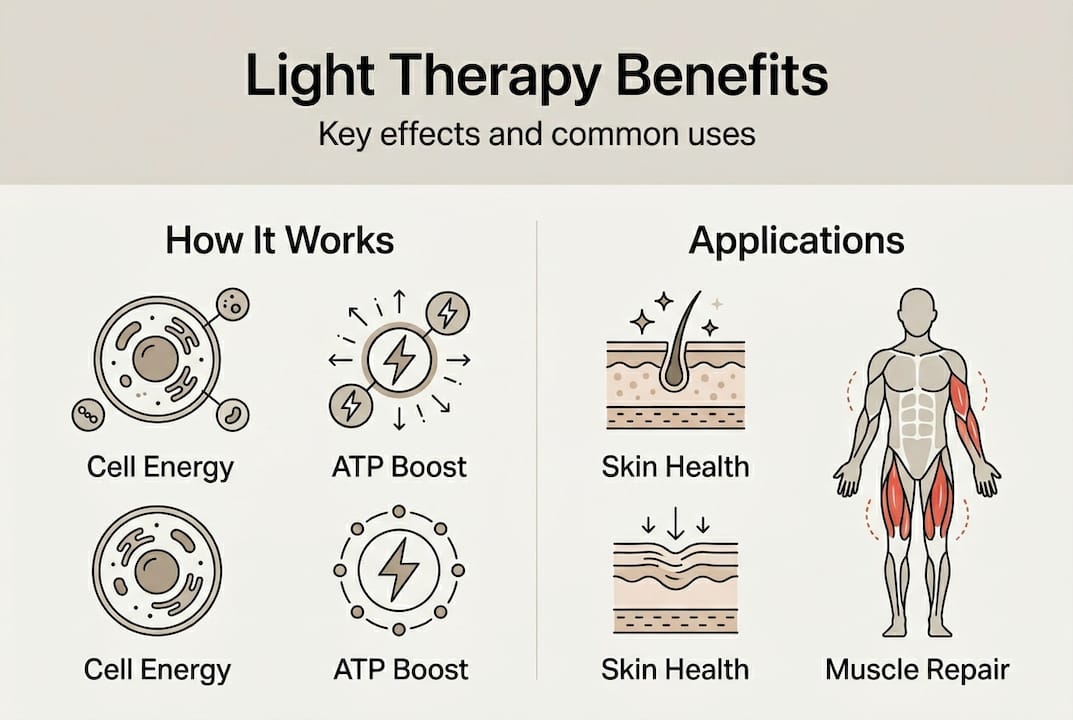
Light therapy’s effectiveness stems from a biological process called photobiomodulation, where specific wavelengths of light penetrate tissue and interact directly with cellular components. When red and near-infrared light reach your mitochondria, they trigger a cascade of beneficial cellular responses that enhance energy production and repair mechanisms. This isn’t some vague energy concept. Your mitochondria contain a photoreceptor, most likely cytochrome c oxidase, that absorbs photons and is thought to boost cellular energy production.
The process works like this: photons from therapeutic wavelengths stimulate electron transport in the mitochondrial respiratory chain, directly increasing ATP synthesis. More ATP means your cells have greater capacity for repair, regeneration, and optimal function. Simultaneously, this light exposure modulates reactive oxygen species, reducing oxidative stress while promoting beneficial signaling pathways. The result is decreased inflammation, enhanced blood flow, and accelerated tissue healing at the cellular level.
Key wavelengths used in therapeutic applications include:
The light therapy science demonstrates measurable changes in cellular metabolism within minutes of exposure. Studies using spectroscopy and cellular imaging show increased mitochondrial membrane potential and enhanced cellular respiration rates. These aren’t subjective wellness claims but quantifiable biological changes occurring at the molecular level.
Pro Tip: Avoid devices that don’t specify exact wavelengths or power output. Effective photobiomodulation requires precise wavelength delivery and adequate irradiance (typically 20-200 mW/cm²). Generic LED panels without these specifications rarely provide therapeutic benefits, regardless of marketing claims.
The timing and dosage of light exposure matter significantly. Too little exposure fails to trigger adequate cellular response, while excessive exposure can temporarily inhibit mitochondrial function through a biphasic dose response. Most therapeutic protocols target 10-20 minutes per session at appropriate distances, delivering total energy doses between 4-12 joules per square centimeter. Understanding these parameters helps you optimize sessions for maximum cellular benefit without wasting time or risking diminishing returns.
Not all light therapy delivers the same benefits. Each wavelength range interacts differently with tissue, making specific types more effective for particular health goals. Red and near-infrared wavelengths excel at tissue repair and anti-aging applications, while blue light addresses surface-level concerns like acne and circadian disruption. Understanding these distinctions prevents the common mistake of using the wrong therapy type for your primary objective.
Red light therapy (630-660 nm) primarily targets skin health, collagen production, and surface wound healing. The wavelength penetrates epidermis and dermis layers, stimulating fibroblasts to increase collagen and elastin synthesis. This makes it particularly effective for reducing fine lines, improving skin texture, and accelerating healing of superficial injuries. Athletes use it for minor abrasions and skin recovery, while longevity enthusiasts incorporate it into anti-aging protocols.
Near-infrared therapy (810-850 nm) penetrates significantly deeper, reaching muscles, joints, and even organs. This makes it the preferred choice for muscle recovery, joint pain, and systemic inflammation reduction. The deeper penetration allows photons to reach mitochondria in muscle tissue, enhancing ATP production where you need it most for performance and recovery. Many red light therapy panels combine both red and near-infrared LEDs to address multiple tissue depths simultaneously.
| Light type | Wavelength range | Primary benefits | Typical devices |
|---|---|---|---|
| Red | 630-660 nm | Skin rejuvenation, collagen production, surface healing | Facial devices, small panels |
| Near-infrared | 810-850 nm | Deep tissue repair, muscle recovery, joint health | Full-body panels, targeted devices |
| Blue | 415-495 nm | Acne treatment, circadian regulation, antibacterial | Facial wands, light boxes |
| Full-spectrum | Multiple ranges | Comprehensive cellular support, mood regulation | Light therapy lamps, combination panels |
Blue light therapy serves different purposes entirely. Its shorter wavelength doesn’t penetrate deeply but effectively kills acne-causing bacteria on skin surfaces. It also plays a crucial role in circadian rhythm regulation by signaling your suprachiasmatic nucleus to suppress melatonin production. Morning blue light exposure can reset disrupted sleep-wake cycles, making it valuable for biohackers optimizing circadian health.
Specific health goals matched to light types:
Full-spectrum light therapy attempts to replicate natural sunlight, incorporating multiple wavelengths for broader biological effects. While this can support mood and general wellness, it’s less targeted than single-wavelength approaches for specific therapeutic goals. Most serious biohackers use dedicated red light therapy devices for targeted protocols rather than relying on full-spectrum alternatives.
The key is matching wavelength to your primary objective. Someone focused on muscle recovery needs different specifications than someone targeting facial rejuvenation. Many advanced users maintain multiple devices or invest in combination panels that deliver both red and near-infrared simultaneously, allowing flexible protocols based on daily needs.
Selecting the right light therapy device requires understanding several technical specifications that directly impact therapeutic effectiveness. Power output, measured in irradiance (mW/cm²), determines how much light energy reaches your tissue per unit of time. Devices with insufficient power require impractically long sessions or fail to deliver therapeutic doses entirely. Look for panels delivering at least 50-100 mW/cm² at your intended treatment distance, with higher-end devices reaching 150-200 mW/cm² for more efficient sessions.
Wavelength accuracy matters more than most manufacturers admit. LEDs can drift from their specified wavelength by 10-20 nm, potentially reducing therapeutic effectiveness. Quality devices use tightly binned LEDs with narrow wavelength ranges, ensuring consistent photobiomodulation effects. When evaluating options, prioritize manufacturers who provide third-party testing data verifying actual wavelength output rather than relying solely on marketing specifications.
Practical usage tips for maximizing benefits:
Device size and form factor should align with your intended applications. Full-body panels work well for comprehensive protocols covering large muscle groups or systemic benefits. Portable red light therapy devices offer targeted treatment for specific joints, facial areas, or travel convenience. The EMR-TEK Krypton panel delivers high irradiance across a large treatment area, while the Shape Tactics device provides focused application for specific body regions.
Pro Tip: Verify that devices meet electrical safety certifications (ETL, UL, or CE) and emit minimal EMF radiation. Some cheaper panels produce significant electromagnetic fields. Quality manufacturers provide EMF testing data and implement shielding to minimize exposure during treatment sessions.
Consistent usage patterns significantly impact results, as photobiomodulation effects accumulate over time. Sporadic sessions provide minimal benefit compared to regular protocols maintained over weeks and months. Most users notice initial improvements in skin texture or recovery within 2-4 weeks, with more substantial changes in tissue health and inflammation appearing after 8-12 weeks of consistent use.
Distance from the device affects both irradiance and treatment area coverage. Closer positioning delivers higher power density but covers less surface area, while greater distance reduces power but expands coverage. The inverse square law means doubling your distance can cut the irradiance reaching your tissue to as little as a quarter. Calculate your optimal distance based on device specifications and intended treatment area, using manufacturer guidelines as starting points rather than absolute rules.
Professional devices used in clinical settings typically deliver higher power outputs and may incorporate additional features like pulsing frequencies or combination wavelengths. While these can enhance specific applications, quality home devices provide sufficient power for effective photobiomodulation when used correctly. The key differentiator is consistent use rather than access to clinical-grade equipment.
Building light therapy into your existing biohacking protocols amplifies results across multiple health domains. The key is strategic timing and combination with complementary practices that support cellular health and recovery. Combining light therapy with recovery tools creates synergistic effects that accelerate adaptation and enhance overall wellness outcomes.
Steps to incorporate light therapy effectively:
Timing considerations significantly influence therapeutic outcomes. Morning bright light exposure (especially blue-enriched light) can suppress residual melatonin and signal daytime metabolic activity, enhancing alertness and energy production. This aligns with your natural cortisol awakening response, supporting optimal circadian function. Evening near-infrared sessions, by contrast, may promote parasympathetic activation and cellular repair processes that dominate during sleep, making them ideal for recovery-focused protocols.
“Light therapy’s effectiveness multiplies when integrated thoughtfully with nutrition, sleep optimization, and movement practices. The cellular energy boost from photobiomodulation provides the foundation for enhanced adaptation across all wellness domains, making it a cornerstone of comprehensive longevity protocols.”
Nutritional support enhances light therapy outcomes by providing raw materials for the cellular processes you’re stimulating. Adequate protein intake supports the collagen synthesis triggered by red light, while antioxidants from colorful vegetables help manage the reactive oxygen species modulation occurring during photobiomodulation. Some biohackers time specific supplements like CoQ10 or PQQ around light therapy sessions to further support mitochondrial function.
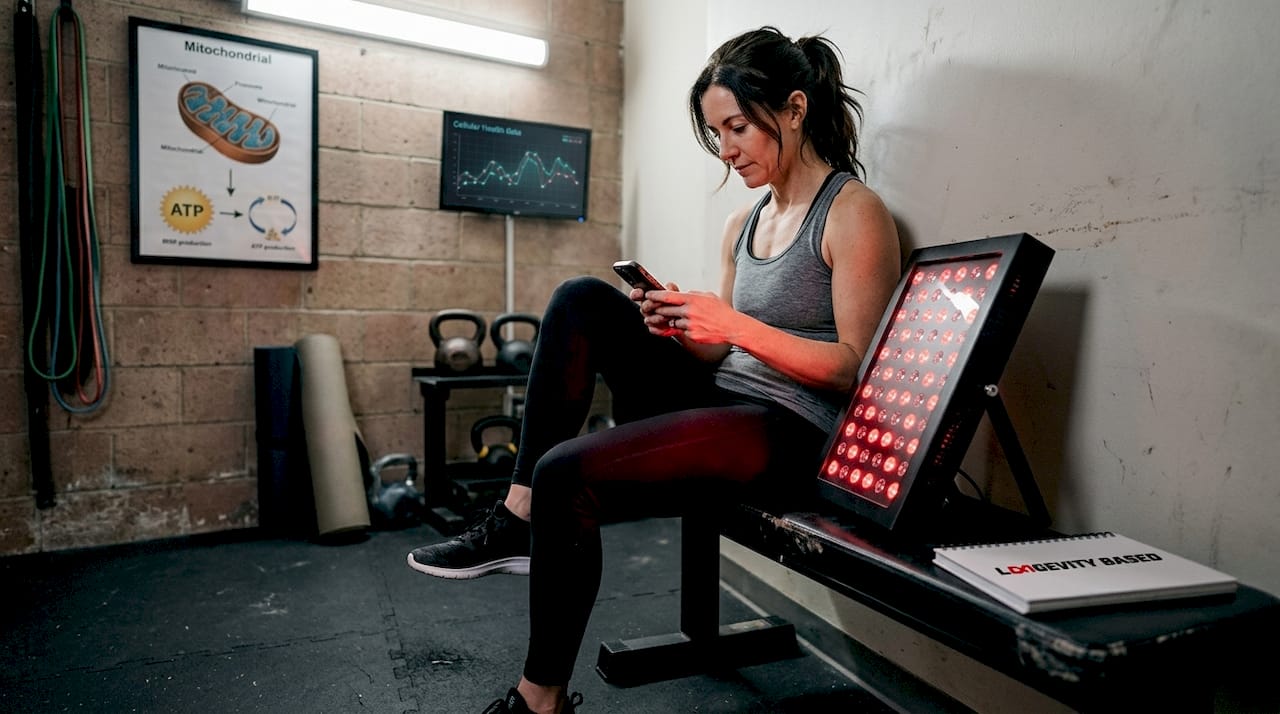
Physical recovery represents one of light therapy’s most practical applications for active individuals. The inflammation reduction and enhanced ATP production directly address the cellular stress created by intense training. Many athletes use near-infrared panels as part of their standard recovery routine, treating major muscle groups for 15-20 minutes post-workout. This isn’t passive recovery but active cellular enhancement that measurably improves adaptation.
Progress monitoring helps optimize your protocols over time. Track subjective markers like perceived energy levels, muscle soreness duration, or skin texture changes. More quantitative approaches include HRV measurements, which may improve with regular light therapy as systemic inflammation decreases and autonomic balance improves. Some users photograph specific skin areas monthly to document anti-aging effects objectively.
Adjusting protocols based on response prevents both under-dosing and excessive exposure. If you’re not noticing benefits after 4-6 weeks of consistent use, increase session duration, frequency, or verify your device delivers adequate irradiance. Conversely, if you experience temporary fatigue or skin sensitivity, reduce exposure and allow adaptation before progressing. The goal is finding your optimal dose, which varies based on individual factors like skin tone, tissue density, and baseline cellular health.
Once you understand the science and practical application of photobiomodulation, the next step is accessing devices that deliver reliable, therapeutic-grade light therapy. Longevity Based specializes in scientifically-backed red light therapy panels and complementary wellness tools designed specifically for biohackers and health optimizers. Each device in the collection meets strict wavelength accuracy and power output standards, ensuring you get genuine photobiomodulation effects rather than ineffective LED exposure.
The platform offers comprehensive solutions beyond light therapy, including recovery tools that work synergistically with photobiomodulation protocols. From cold plunge systems to advanced recovery devices, these tools help you build integrated wellness routines that address multiple aspects of longevity and performance. Explore the full range of biohacking devices to discover how strategic technology use can accelerate your health optimization journey.
Light therapy uses specific wavelengths of light to stimulate cellular processes that enhance healing and energy production. It primarily involves red and near-infrared light affecting mitochondria, where photons trigger increased ATP synthesis and reduced inflammation. This photobiomodulation process creates measurable changes in cellular metabolism, supporting tissue repair and optimal function.
Red and near-infrared light in the 630-850 nm range are most effective for skin rejuvenation and collagen production. These wavelengths penetrate dermis layers to stimulate fibroblasts, increasing collagen and elastin synthesis that reduces fine lines and improves skin texture. Device choice should prioritize these specific wavelengths with adequate power output for anti-aging effects.
Typical recommendations suggest 3-5 sessions per week, 10-20 minutes each, depending on device power output and your specific goals. Consistency matters more than intensity, as photobiomodulation effects accumulate over time. Most users notice initial improvements within 2-4 weeks, with substantial changes appearing after 8-12 weeks of regular use.
Red and near-infrared light therapy promotes faster muscle repair and reduces inflammation by enhancing cellular ATP production and modulating inflammatory pathways. It is frequently integrated into athlete recovery protocols, with sessions typically applied within 30-60 minutes post-workout when cellular repair processes are most active and responsive to photobiomodulation enhancement.


