

Mon-Fri 9am-6pm PST
+1 (800) 686-5898
support@longevitybased.com
Mon-Fri: 9am-6pm PST

Many people think that light therapy doesn't penetrate far into the body or that the science isn't strong enough to prove it works. However, there is a lot of scientific data that proves that light can be used to treat chronic pain, improve cognitive function and regenerate damaged tissue.
This article will explore the science behind how light interacts with the body, the current body of evidence supporting its use for athletic performance and recovery, the limitations associated with using light therapy currently, and ways you can incorporate this technology into your daily wellness routine.
| Detail Point | Details |
|---|---|
| Boost Cellular Energy Production | Near-infrared light increases mitochondrial ATP production to help regenerate damaged tissue and decrease oxidative stress. |
| Clinical Trials Show Benefits | Numerous studies have demonstrated positive results for fibromyalgia, osteoarthritis, cognitive decline, and neuropathic pain, with few reported side effects. |
| Standardized Dosing Protocols Are Lacking | The lack of standardization in dosing limits the consistency of clinical outcomes and development of universally applicable treatment guidelines. |
| Future Improvements in Photobiomodulation | Developments in artificial intelligence could allow for customized dosing based on individual patient needs, along with biomarker-guided protocols to maximize treatment efficacy. |
| Accessible Wellness | Photobiomodulation technology has become accessible to consumers through at-home use devices that can be used for recovery, performance, and anti-aging purposes. |
Photobiomodulation is a form of near-infrared light therapy that ranges in wavelengths from approximately 600 to 1100 nm. Photobiomodulation is defined as the interaction of light with cellular structures below the surface of the skin. Unlike UV light, which can directly damage DNA, photobiomodulation utilizes non-ionizing light within the "optical window" of the body to modify cellular bioenergetic processes, inflammatory signaling and tissue repair. Since this wavelength range can penetrate several cm into tissue, it can reach the muscles, joints and even neural tissue.
The main mechanism of action of photobiomodulation involves the mitochondria, the cellular site of energy production. Mitochondrial cytochrome c oxidase absorbs near-infrared photons and initiates an acceleration of electron transport. As a result, ATP production is enhanced. Enhanced mitochondrial function reduces oxidative stress and promotes neural repair. Through these pathways, photobiomodulation provides a cascade of beneficial effects on inflammation, cell proliferation and tissue healing.
In addition to enhancing energy production through the modulation of cellular signaling pathways, photobiomodulation also modulates reactive oxygen species (ROS). ROS can serve as signaling molecules at controlled concentrations, as opposed to causing oxidative damage. This leads to anti-inflammatory responses and decreases in pro-inflammatory cytokines, along with promoting angiogenesis, the formation of new blood vessels. As such, photobiomodulation provides a dual benefit for the recovery of injured tissue, the enhancement of muscle regeneration, the improvement of skin health, and the promotion of neuroprotective effects.
A basic understanding of the science of low-level light therapy will help explain why the choice of wavelength and energy density is so important. Low-level light therapy devices that emit light outside of the therapeutic window or do not contain sufficient power density cannot effectively penetrate into tissue or cause the required photochemical reaction. In order to effectively apply photobiomodulation, one must choose devices that precisely meet the required criteria: wavelengths of 600-1100 nm; energy densities of 4-10 J/cm^2; and established exposure protocols.
Pro Tip: Before buying any photobiomodulation device, check its specifications for accurate wavelength and power output. Some devices marketed as near-infrared but primarily emit visible red light will not penetrate to the depth required for systemic benefits.
Some of the most significant biological effects of near-infrared therapy include:
Photobiomodulation devices now available for consumer use have greatly expanded the accessibility of clinical grade photobiomodulation to be used in the comfort of your own home. These devices range from full body panels to hand-held devices, enabling users to personalize their treatment protocols according to the user's desired health objectives.
There are numerous studies demonstrating that photobiomodulation provides a wide range of benefits to human health. A recent umbrella review of 15 meta-analyses covering 204 randomized controlled trials found statistically significant associations between photobiomodulation and a number of health outcomes, with moderate-certainty evidence for a handful of them. Some of the studied health outcomes included reduced fatigue in patients with fibromyalgia, improved osteoarthritis disability scores, improved cognitive function in patients with dementia, and increased hair growth in patients suffering from androgenetic alopecia. All of these health outcomes affect millions of people seeking alternative to pharmaceutical interventions.
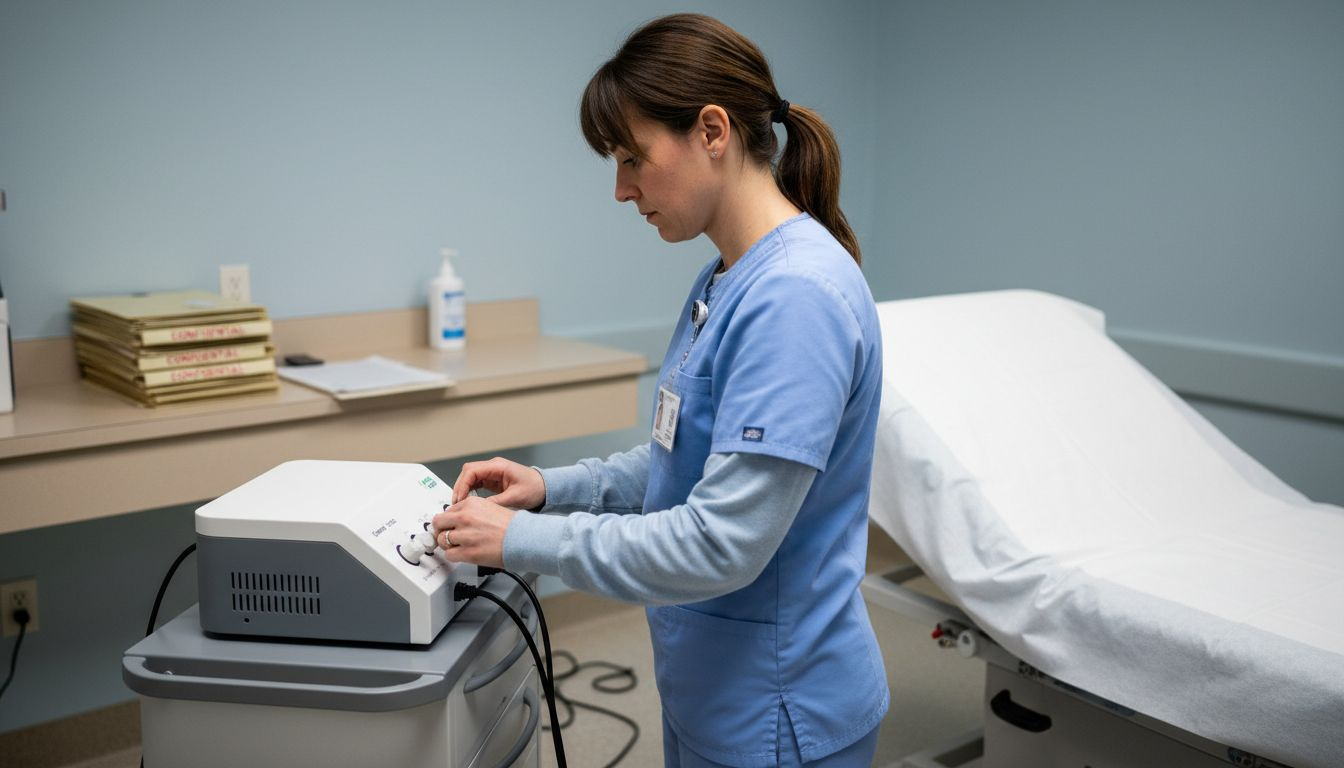
Chronic pain presents another promising area of study. About one in four American adults (24.3% in 2023) experience chronic pain, and many lack effective alternatives to manage this type of pain, increasing their risk of developing addiction due to the use of opioids. Research indicates that photobiomodulation has shown promise as a method for managing chronic pain, especially neuropathic pain. Studies evaluating photobiomodulation for chronic pain show reductions in pain intensity and improved functional capacity, in addition to improved quality of life.
Cognitive benefits of photobiomodulation are evident in areas beyond the realm of dementia. Research suggests that photobiomodulation may support neuroplasticity, promote cerebral blood flow and provide protection against neurodegenerative diseases. Many athletes and biohackers utilize photobiomodulation to support mental clarity, focus, and recovery from cognitive fatigue. Its non-invasive nature, low risk of side effects, and safety make it an attractive complementary option for cognitive-enhancing techniques.
The strongest evidence exists for musculoskeletal applications. Patients with osteoarthritis experience significant improvements in joint pain and disability, while patients with fibromyalgia experience significant improvements in symptoms of fatigue and widespread pain. The fact that photobiomodulation can modulate inflammation and stimulate tissue repair create a dual benefit for both degenerative and inflammatory conditions.
| Health Outcome | Strength of Evidence | Population Benefit |
|---|---|---|
| Reducing Fatigue in Fibromyalgia | Present in multiple RCTs | Estimated ~4M US adults |
| Improving Disability Scores in Osteoarthritis | Supportive of clinical findings | >32M adults in the US |
| Improving Cognitive Function in Dementia | Established in emerging literature | Growing aging population |
| Relieving Neuropathic Pain | Favorable results in some trials | Approximately 7-10% of the general population |
| Increasing Hair Density | Positive results from specific protocols | Common concern |
Pro Tip: Consistency in treatment frequency is much more likely to lead to successful outcomes than infrequent treatment. Treatment schedules of 2-5 times per week for periods of weeks to months will likely achieve greater success than intermittent use.
BIOFLEX Wave Zone and BIOFLEX Wave Zone XL are two examples of at-home photobiomodulation devices that offer clinical-grade treatments for evidence-supported applications. Both devices provide the appropriate wavelengths and energy densities for treatments that match the parameters of published research.
“Photobiomodulation represents a paradigm shift in non-pharmacologic interventions, providing cell-based benefits without the adverse effect profiles of traditional medications.”
Evidenced-Based Uses:
While there are numerous research studies showing the potential of near-infrared (NIR) therapy for improving various physiological processes, such as muscle recovery, skin health and cognitive function, NIR therapy has yet to be universally accepted as a clinically viable treatment option. There are two main barriers to the widespread acceptance of NIR therapy; the first barrier is the lack of standardized dosimetry for NIR therapy, and the second barrier is the lack of consistency in the method of energy delivery. The primary reasons for this lack of standardization and consistency are due to the diversity of research methods, including wavelength, energy density, time of treatment, and frequency of treatment. The heterogeneity of research methods among researchers make it extremely challenging to compare the results of the studies and ultimately to develop evidence-based clinical guidelines.
As shown above, there are several challenges that need to be addressed in order to develop evidence-based clinical guidelines for NIR therapy. These challenges include; the lack of understanding of dose response relationships, the complexity of developing treatment protocols to overcome the biphasic dose response relationship (i.e., too little or too much light can reduce effectiveness), individual variability in skin pigmentation, tissue thickness, and baseline mitochondrial function, and the lack of knowledge regarding sex-based differences in response.
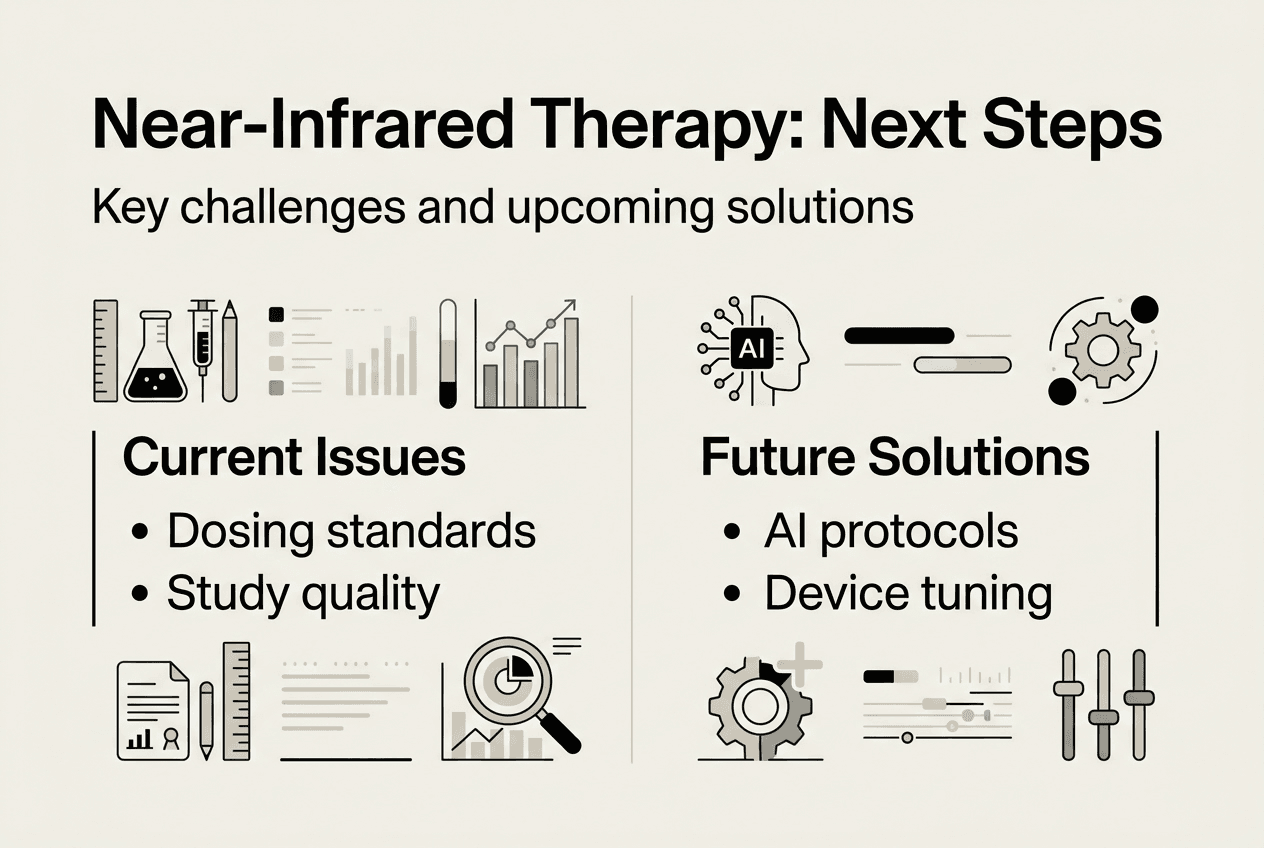
There are also several study design issues that contribute to the challenges of developing evidence-based clinical guidelines. First, there are many variables in clinical parameters that influence treatment outcomes. Second, few studies have included adequate follow up to allow for comprehensive recommendations. Third, few studies have controlled for placebo effects. Fourth, there are very few studies that have measured long term outcomes, and therefore there is limited knowledge regarding whether NIR therapy produces sustained benefits and what the ideal maintenance protocols are. Fifth, publication bias likely favors reporting positive results, and underreports null results.
One of the biggest advancements in NIR therapy will be the implementation of artificial intelligence (AI) algorithms that can analyze individual patient characteristics, baseline biomarkers, and real-time treatment responses to personalize dosing protocols. AI algorithms can take vast amounts of data and process them rapidly to determine the optimal treatment protocol for an individual. AI can also continuously monitor treatment responses and adapt treatment protocols in real-time to maximize effectiveness and minimize adverse effects.
Another advancement in NIR therapy will be wearable sensors. Wearable sensors will be able to monitor real-time changes in tissue oxygenation, inflammation markers, and cellular metabolism. Wearable sensors will enable clinicians to dynamically adjust treatment protocols based on real-time feedback. Wearable sensors will also enable patients to track their own progress and optimize treatment protocols independently.
A third advancement in NIR therapy will be biomarker-guided therapy. Biomarker-guided therapy will enable clinicians to identify patients that are responsive to NIR therapy prior to initiating prolonged treatment. Biomarker-guided therapy will also enable clinicians to monitor treatment responses in real-time and make adjustments to treatment protocols as necessary.
Newer generations of NIR therapy devices will include improved designs that provide consistent energy delivery. Improved designs will also provide clinicians with the ability to tailor treatment protocols to meet the unique needs of each patient. Spectral tuning will enable clinicians to adjust wavelength combinations to meet the unique requirements of each patient. Pulsed light delivery will also enable clinicians to enhance cellular uptake and potentially improve treatment effectiveness. NIR devices will also be integrated with health tracking apps to promote compliance and document treatment outcomes.
Regulatory pathways for photobiomodulation devices are still evolving. In the U.S., some devices have received FDA clearance for specific indications, such as pain relief or skin rejuvenation. However, broad claims of therapeutic benefits remain unregulated. Regulatory agencies will need to establish clear efficacy standards and safety guidelines to protect consumers while promoting innovation.
Pro Tip: When choosing a quality NIR device, look for devices produced by reputable companies that provide detailed dosimetry specifications, cite peer-reviewed research, and provide clear information regarding wavelength accuracy and power output.
Shape Tactics' therapy device is one example of emerging technologies that utilize multiple wavelengths and adjustable settings to create personalized treatment protocols. As the field of NIR therapy continues to mature, we expect to see increased standardization and evidence-based clinical guidelines for the use of NIR devices in both clinical and home-based applications.
Using NIR therapy as part of a daily wellness routine involves an understanding of both the scientific basis for its use, as well as practical application strategies. To begin using NIR therapy, select devices that produce wavelengths between 600-1100nm. Additionally, verify that the power output of the device is sufficient to deliver 4-10 joules/cm^2 during treatment. A panel device is a good choice for treating full body or large areas, whereas handheld units are better suited for targeting specific joints, muscles, or facial areas.
Treatment protocols for NIR therapy vary greatly depending on the specific application and individual response. Most published research protocols include sessions ranging from 5-20 minutes in length, and are performed 3-5 times per week. Protocols for muscle recovery are typically shorter (e.g. 1-2 minutes) and more frequent (e.g. immediately post-exercise). Protocols for skin health and anti-aging typically include longer exposures (e.g. 10-15 minutes) at lower intensities. Protocols for cognitive support typically include transcranial applications, placing the light source near the forehead for several minutes.
Research has demonstrated that NIR therapy modulates skeletal muscle regeneration through the activation of satellite cells and angiogenesis. The ability to modify skeletal muscle regeneration makes NIR therapy an attractive tool for athletes. Athletes can use NIR therapy pre-workout to "prime" mitochondrial function or post-workout to accelerate repair. The flexibility of NIR therapy allows for easy incorporation into existing training and recovery protocols without significant disruption to lifestyle.
The distance from the light source to the skin surface affects energy delivery. Most NIR devices are designed to provide optimal dosing at 6-12 inches from the skin surface. Positioning the light source closer to the skin surface increases the intensity of the energy delivered, but decreases the coverage area. Positioning the light source farther away from the skin surface decreases the intensity of the energy delivered, thus increasing the required exposure time. Manufacturer's typically recommend specific distance and duration recommendations based on device specifications.
To safely and effectively use NIR therapy at home follow the steps outlined below:
Pro Tip: Start with 5-minute sessions three times weekly, then gradually increase to 10-15 minutes as you confirm positive responses without adverse effects. A conservative approach to NIR therapy minimizes risks while establishing a baseline tolerance for each individual.
Explore red light therapy device options to find products that fit your space, budget, and specific wellness goals. Portable options like infrared heating pads are convenient for providing targeted treatment for pain relief and recovery support.
Properly manufactured NIR devices pose little risk for adverse effects. Direct exposure of high-intensity light sources to the eyes is to be avoided. Brief incidental exposure of the eyes to high-intensity light sources carries little risk. Certain photosensitive medications may increase sensitivity of the skin. Pregnant women should consult with their healthcare provider before beginning NIR therapy, although currently there is no evidence suggesting NIR therapy is harmful. Patients with heat-sensitive conditions or implanted devices should consult with a healthcare provider regarding use of NIR therapy.
Longevity Based offers scientifically-backed near-infrared and red light therapy solutions designed for health optimization, performance enhancement, and longevity support. The red light therapy devices collection features professional-grade panels, portable handhelds, and specialized systems for addressing a wide variety of wellness needs and budgets. From full-body panels providing comprehensive photobiomodulation to handheld devices for localized applications, each product has undergone rigorous quality testing to ensure efficacy.
The EMR-TEK Ultron multi-spectral light therapy system provides a high level of flexibility by offering adjustable settings that allow clinicians to customize treatment protocols as they gain a deeper understanding of their patients and as research evolves. Clinicians seeking advanced portable options will appreciate the combination of clinical grade output and portable convenience offered by the Shape Tactics therapy device.
Pro Tip: Choose devices that offer adjustable intensity settings and multiple wavelength options to provide flexibility to explore different treatment protocols as research evolves and your personal optimization journey progresses.
Clinical evidence exists showing photobiomodulation can be helpful with a number of chronic pain disorders such as fibromyalgia, osteoarthritis and neuropathic pain; helps support cognitive function; promotes muscle recovery; benefits skin health; and possibly benefits hair growth. More research is needed to understand its potential uses in wound healing, neuroprotection, and metabolic health.
Research has demonstrated that photobiomodulation exhibits an excellent safety profile and few adverse events have been documented in clinical studies. Since the non-ionizing light does not damage DNA or tissues at the correct parameters, the risk of injury from this modality is very low. Avoid exposure to high intensity light directly into your eyes and consult your healthcare provider if you are currently taking medications which could increase your sensitivity to light or manage other specific medical conditions.
The most effective protocols involve performing the therapy 3-5 days per week. Each session is dependent on the type of application being performed. Most protocols last 5-20 minutes. While intensity is important, consistency is more important. Begin with conservative lower frequency and time duration and gradually increase both based on how you respond personally. Many people continue to use the therapy at a consistent protocol (i.e., 3 sessions/week) once they reach their therapeutic goal.
Potential side effects from PBM are extremely rare and usually mild. A small percentage of users report feeling warmness in their skin or experiencing mild fatigue immediately following a treatment. Excessive exposure may result in headache or eye strain. To avoid these side effects follow the recommended distance, time and frequency guidelines provided by the manufacturer. If you experience any adverse reaction stop using the product and seek advice from a professional.
PBM generally works well in combination with other forms of treatment. There are no contraindications for combining PBM with physical therapy, exercise, nutritional optimization, or most medications. However, please inform your healthcare provider of all modalities you are utilizing. Due to its non-invasive nature PBM is easily integrated into a comprehensive wellness strategy.


