

Mon-Fri 9am-6pm PST
+1 (800) 686-5898
support@longevitybased.com
Mon-Fri: 9am-6pm PST

Noticing the first signs of skin laxity is a quiet but persistent frustration. The jawline softens, the neck loses definition, and the skin around the eyes feels less firm than it once did. Clinic treatments like Thermage can address these changes effectively, but the cost, scheduling, and recovery time make regular visits impractical for most people. At-home radiofrequency (RF) skin tightening devices have matured significantly, offering a credible, science-backed option for those who want to take control of their skin longevity without leaving home. This guide covers everything you need: how the technology works, what tools to gather, how to use them correctly, and what results to realistically expect.
| Point | Details |
|---|---|
| Home RF is safe and effective | RF skin tightening at home is generally safe and gives subtle but real anti-aging results with consistent use. |
| Preparation is critical | Using proper technique, contraindication checks, and required supplies ensures both effectiveness and safety. |
| Expect gradual improvement | Visible skin tightening requires patience, with most people noticing results after several weeks to a few months. |
| Know when to seek alternatives | Home RF works best for mild laxity; those with advanced aging concerns may benefit more from professional or complementary treatments. |
Radiofrequency energy works by delivering controlled electromagnetic waves into the deeper layers of the skin, specifically the dermis and the underlying connective tissue. This energy generates gentle heat, which triggers two key responses: immediate contraction of existing collagen fibers and a longer-term wound-healing cascade that stimulates new collagen and elastin production. The result, over time, is firmer, more resilient skin.
Home devices use the same fundamental mechanism as professional systems, but with important differences in power output and design. At-home RF devices are less powerful than professional ones but are designed for safe and regular use when following guidelines. Most consumer devices include built-in temperature sensors and automatic shutoff features that prevent overheating, making them far more forgiving than clinic-grade equipment.
There are three main RF configurations you’ll encounter:
For choosing home RF devices, bipolar and multipolar configurations are the most practical and safest options.
| Feature | Home RF device | Professional RF (clinic) |
|---|---|---|
| Energy output | Low to moderate | High |
| Treatment depth | Superficial to mid-dermis | Deep dermis and beyond |
| Session frequency | 2 to 3 times per week | Every 4 to 6 weeks |
| Results timeline | Gradual over months | Faster, more dramatic |
| Cost per session | Low (device investment) | High |
| Safety supervision | Self-managed | Clinician-managed |
Home RF delivers subtler results than in-clinic treatments such as Thermage, making it better suited for mild skin laxity. This is not a limitation so much as a design feature: lower energy levels allow for frequent use without the recovery time that professional treatments require.
Pro Tip: If you’re new to RF, start with the lowest energy setting on your device and work up gradually over the first two weeks. This lets your skin adapt and helps you identify your personal comfort threshold.
Once you understand the science, assembling the right toolkit and prepping properly is critical for both effectiveness and safety. Getting this foundation right makes every session more productive and significantly reduces the risk of adverse reactions.
Essential supplies:
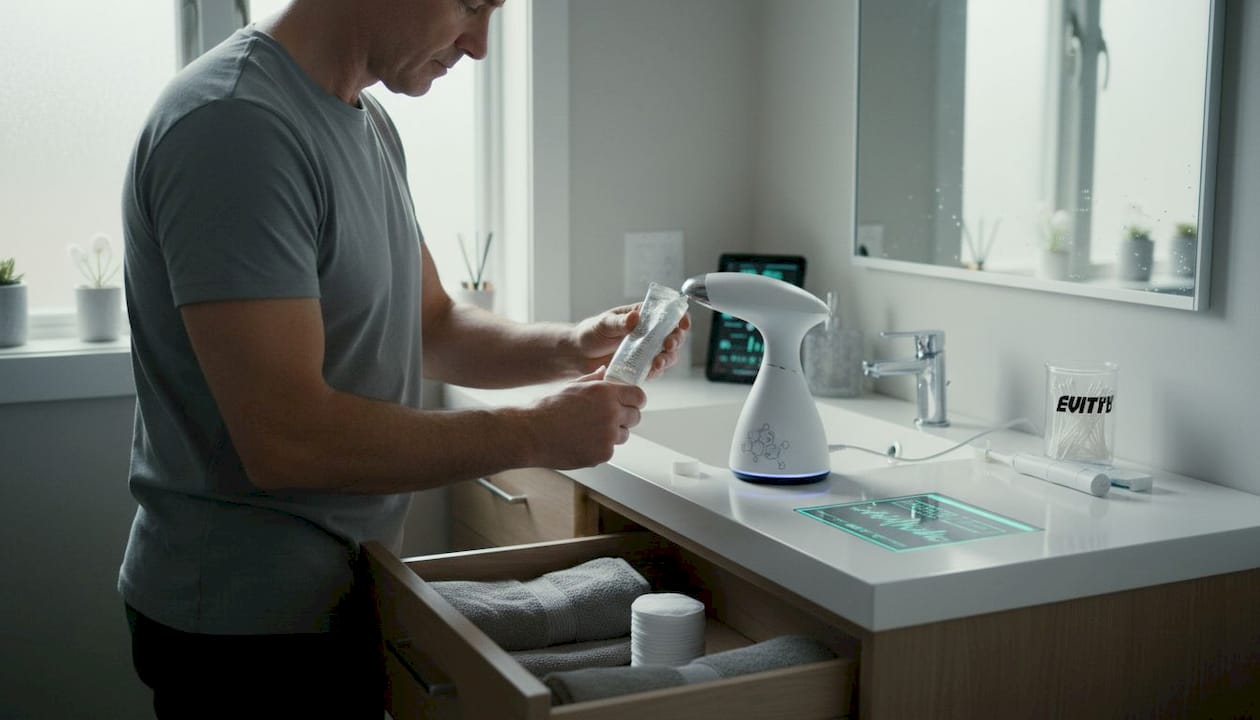
At-home RF protocols require a conductive gel and specific usage techniques for optimal safety and performance. The gel serves two purposes: it allows the device to glide smoothly across the skin and ensures efficient energy transfer into the tissue. Skipping it is one of the most common and consequential mistakes users make.
| Supply | Purpose | Notes |
|---|---|---|
| Conductive gel | Energy transfer and glide | Use generously; reapply mid-session |
| FDA-cleared device | Safe RF delivery | Check clearance before purchasing |
| Gentle cleanser | Remove makeup and oils | Avoid actives like AHAs before treatment |
| Timer | Session consistency | Follow your device’s recommended time per area |
| Sunscreen | Post-treatment skin protection | Essential after every session |
Before your first session, review the contraindications carefully. RF is not appropriate for everyone.
Do not use at-home RF if you:
“Always consult a dermatologist or physician before starting RF treatments if you have any underlying medical conditions or recent cosmetic procedures in the treatment area.”
You’ll also want to stock up on essential at-home device supplies before your first session to avoid interruptions in your routine.
Now that you’re prepared, here’s how to use your at-home RF device for optimal results. Consistency and technique matter more than intensity, so follow each step carefully.
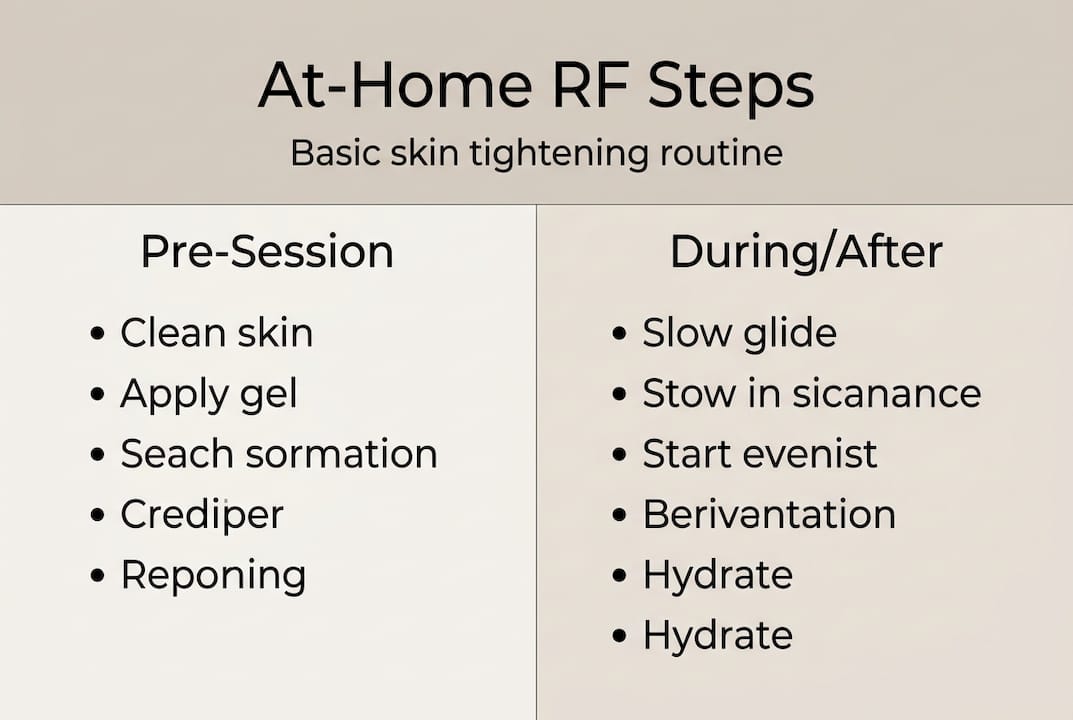
Best practice is slow gliding over target areas 2 to 3 times per week in initial months, with consistent sessions for visible improvements. Skipping sessions frequently resets your progress, so treat consistency as part of the protocol.
Pro Tip: Pair your RF sessions with a hyaluronic acid serum applied immediately after treatment. The mild increase in skin temperature may temporarily enhance ingredient absorption.
For those interested in layering techniques, it’s worth reviewing microneedling best practices to understand how complementary modalities can be safely scheduled without overlapping recovery windows.
Collagen remodeling is a slow biological process. Most users begin to notice subtle firmness improvements within 4 to 8 weeks, with more visible changes appearing after 3 to 6 months of regular use.
Even with the best at-home approach, it’s important to anticipate and minimize any issues for a safe experience. Most problems with home RF come down to a handful of avoidable errors.
Common mistakes to avoid:
Side effects of home RF are typically mild and temporary, but misuse can cause redness, warmth, or rarely burns. Specific groups should avoid RF altogether. For most users, mild redness and a sensation of warmth immediately after treatment are normal and resolve within a few hours.
If you experience prolonged redness lasting more than 24 hours, blistering, unusual pain, or swelling, discontinue use immediately and consult a dermatologist. These are signs of overexposure or an underlying sensitivity.
“Less is more in the early stages of at-home RF. Gradual progression in energy settings and session frequency reduces the risk of adverse reactions and builds a more sustainable long-term routine.”
For those exploring additional options for skin rejuvenation, other facial rejuvenation methods may complement or serve as alternatives depending on your specific skin concerns and tolerance.
When to seek professional input:
Understanding how to troubleshoot is essential, but clear expectations around results will keep you motivated and realistic. At-home RF is not a quick fix, and its benefits are cumulative rather than immediate.
Most users follow a timeline that looks roughly like this:
At-home RF is best for mild laxity; ultrasound and clinic treatments outperform RF for deeper lifting effects. If your concerns include significant sagging or deep structural laxity, professional options will deliver more meaningful outcomes.
| Treatment type | Best for | Typical results timeline | Invasiveness |
|---|---|---|---|
| Home RF | Mild laxity, fine lines | 3 to 6 months | Non-invasive |
| Clinic RF (Thermage) | Moderate laxity | 2 to 4 months | Non-invasive |
| Ultrasound (Ultherapy) | Deep lifting, structural | 3 to 6 months | Non-invasive |
| Surgical facelift | Severe sagging | Immediate | Invasive |
For those interested in layering modalities, at-home microneedling can complement RF by addressing surface texture and stimulating additional collagen pathways, provided sessions are spaced appropriately.
Who benefits most from home RF:
The biohacking community tends to gravitate toward dramatic interventions and rapid feedback loops. At-home RF does not fit that model, and that’s precisely where many users go wrong. The expectation of visible transformation within days leads to overuse, frustration, and abandoned routines.
What we’ve observed is that the users who get the best results treat RF as a habit rather than a treatment. They build it into their weekly routine the same way they approach sleep optimization or nutritional protocols: consistently, patiently, and within a broader system.
Real results with at-home RF require patience, repeated sessions, and smart device selection, especially for those who value skin longevity. An FDA-cleared device used correctly three times a week for six months will outperform an expensive device used sporadically.
RF also works best when it’s not the only tool in your stack. Pairing it with red light therapy, quality sleep, anti-inflammatory nutrition, and a solid topical routine amplifies the collagen-supporting environment your skin needs. For those ready to expand their protocol, advanced aesthetic systems offer complementary modalities that integrate naturally with RF.
The honest truth is that at-home RF is a long game. But for those who commit to it, the compounding benefits over months and years are real and measurable.
If you’re ready to put this knowledge into action, the right tools make all the difference. At Longevity Based, we curate devices specifically for biohackers and longevity-focused individuals who want clinically informed, at-home solutions. Whether you’re starting with RF or building a more advanced skin protocol, you’ll find options designed for real results. Browse our full range of shop biohacking longevity devices to explore what fits your goals and budget. For targeted skin tightening, our selection of RF technology for home use covers multiple configurations and energy levels. Complement your RF routine with BioLight red light therapy to support collagen synthesis from a different biological pathway.
Yes, most at-home RF devices are safe when used as directed. Home RF devices are designed with built-in safety protocols, including temperature sensors and automatic shutoff, that reduce risk for most users.
Most users notice subtle improvements within a few weeks, with best results after consistent use over several months. Results develop gradually with visible improvements appearing after repeated sessions across three to six months.
Mild and temporary side effects like redness or warmth are typical; rare burns may occur with misuse. Always check contraindications before starting, as certain health conditions increase risk.
It’s best to avoid RF treatments on areas with recent fillers or Botox injections until cleared by your provider. Use caution or avoid RF after recent injectables to prevent unintended tissue effects.
At-home RF works best for mild laxity and fine lines. Home RF is not as effective as clinical-level options for severe skin laxity, where professional treatments will deliver more significant improvement.


