

Mon-Fri 9am-6pm PST
+1 (800) 686-5898
support@longevitybased.com
Mon-Fri: 9am-6pm PST

TL;DR:
- Excessive red light therapy can negate benefits without causing serious harm.
- Follow recommended session times, frequency, and safety precautions for optimal results.
- Individual factors like skin tone and device quality influence safe usage and dosage.
Red light therapy has earned a strong following among biohackers and longevity-focused individuals, and for good reason. But a persistent misconception runs through wellness communities: that more sessions automatically produce better results. With red light therapy, that logic breaks down quickly. Exceeding the optimal dose doesn’t accelerate progress. It can actually reverse it. This guide covers the real risks of overuse, how to structure safe sessions, and how individual factors like skin tone and device quality shape what “too much” actually means for you.
| Point | Details |
|---|---|
| Moderation is key | Optimal results come from regular, moderate red light therapy, not daily overuse. |
| Risks are rare | Serious side effects are uncommon when you follow safe usage recommendations and use quality devices. |
| Personal adjustment matters | Factors like skin tone and device type affect how much therapy is safe for each individual. |
| Certified devices enhance safety | Choosing certified, reputable devices lowers the risk of burns or eye injury. |
Red light therapy works by delivering specific wavelengths of light, typically in the 630 to 850 nanometer range, into skin and underlying tissue. These wavelengths stimulate mitochondria, the energy-producing structures inside your cells, to increase ATP production. More cellular energy means faster tissue repair, reduced inflammation, and improved collagen synthesis. The Cleveland Clinic overview notes that these effects look promising, but many published studies have been small and more research is needed.
What makes dosage critical is a concept called the biphasic dose response. In plain terms, this means that a low-to-moderate dose produces measurable benefits, but exceeding that dose can cancel those benefits entirely. Think of it like watering a plant. The right amount promotes growth. Too much drowns it. Experts stress the biphasic risk of negated benefits over harm when overdosing, which means the primary consequence of overuse isn’t injury. It’s wasted effort.
Several variables determine what the right dose looks like for any individual:
Most clinically meaningful benefits come from regular, moderate sessions rather than long or frequent ones. Reviewing optimal frequency guidelines before starting a protocol helps set realistic expectations and prevents the common mistake of overdoing early sessions.
“The goal is not maximum exposure. It’s consistent, calibrated exposure that keeps your cells in the responsive range.”
Pro Tip: Start at the lower end of recommended session times, around 10 minutes, and track how your skin responds over the first two weeks before increasing duration.
Knowing that dosage matters is one thing. Knowing exactly how to structure sessions is another. Here’s a practical framework:
| Parameter | Recommended use | Common mistake |
|---|---|---|
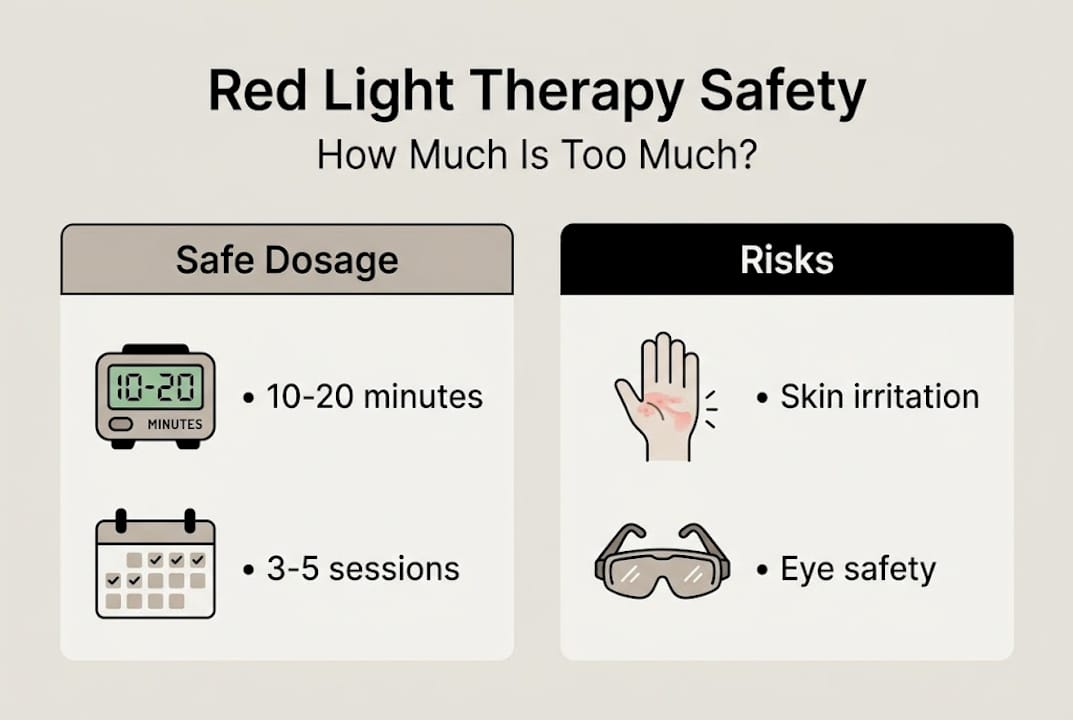
| Session length | 10 to 20 minutes | 30 to 60 minutes |
| Weekly frequency | 3 to 5 times | Daily, multiple sessions |
| Distance from device | 6 to 12 inches | Direct skin contact |
| Eye protection | Always worn | Skipped |
| Progression | Gradual increase | Maximum dose from day one |
Factors that shift these numbers include the body area being treated, the power output of your specific device, and whether you’re targeting surface skin or deeper tissue. A best session duration that works for facial rejuvenation may differ from what’s appropriate for joint recovery.
Pro Tip: Use a timer and keep a notebook or phone note for each session. Consistency in logging helps you spot diminishing returns early, which is the first sign you may be overdoing it.
For those exploring panel-based home devices, device examples can give you a clearer sense of how output specifications translate into real session parameters.
With safety basics in place, let’s look at what happens if you use too much red light therapy. The good news is that serious harm is uncommon. The more realistic risk is reduced effectiveness.
Common side effects from overuse include:
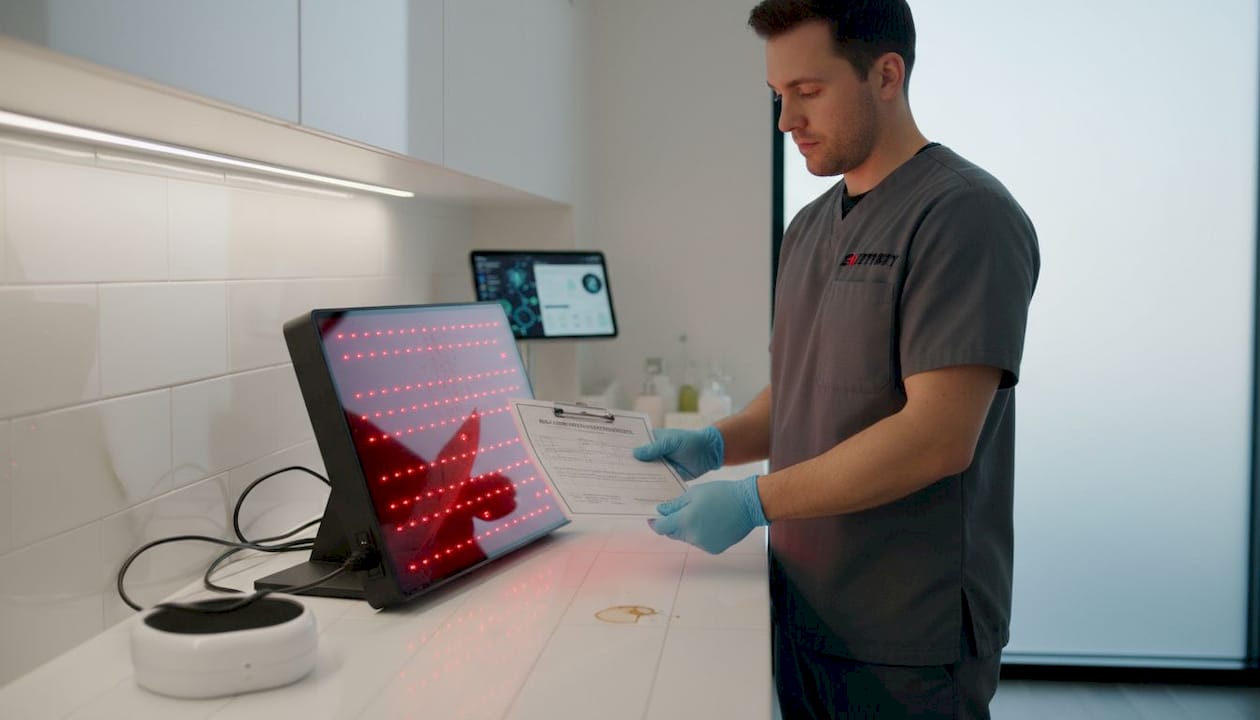
Rarer but more serious risks are worth knowing. Serious risks like burns are rare and usually from defective devices or heat, not light itself. Eye damage is possible without proper protection, particularly from high-output or near-infrared devices. This is why wearing appropriate eye protection during every session is non-negotiable.
| Effect | Normal response | Sign of overdose |
|---|---|---|
| Skin appearance | Mild flush, fades quickly | Persistent redness, peeling |
| Sensation | Gentle warmth | Burning or stinging |
| Results over time | Gradual improvement | Plateau or regression |
| Eye comfort | No symptoms with protection | Irritation, sensitivity to light |
Who carries the most risk? A few groups warrant extra caution:
For context on how red light therapy interacts with tissue repair, the healing tips resource covers the biological mechanisms in detail. When in doubt about device safety, sticking with quality red light devices that carry proper certifications significantly reduces these risks. Cleveland Clinic guidance notes that skin or eye damage is mainly a concern when devices are misused or not used as directed.
The next layer involves understanding how your unique characteristics change what “too much” means. Safe session parameters aren’t universal. They shift based on who you are and what equipment you’re using.
Skin tone is one of the most important variables. Darker skin tones absorb more light, requiring adjusted lower doses. Higher melanin content means more of the delivered energy is absorbed at the surface rather than penetrating to deeper tissue layers. Starting with shorter sessions and monitoring response over several weeks is the right approach for individuals with deeper skin tones.
Device quality and output dramatically affect safe session limits. A clinical-grade panel with high irradiance delivers more energy per minute than a budget consumer device. Using a powerful device with clinical-level output at the same duration you’d use a low-power device can push you well past the therapeutic window without realizing it. Always check the irradiance rating, measured in milliwatts per square centimeter, and adjust session time accordingly.
Key factors that influence your personal safe-use parameters:
Understanding the difference between infrared vs red light wavelengths also matters here, since near-infrared penetrates deeper and may require shorter sessions for sensitive individuals. The Cleveland Clinic notes that individual response variation is real and should factor into any protocol.
A simple patch test is a practical starting point. Apply the device to a small, less visible area for a reduced session time. Wait 24 hours and assess. No irritation means you can proceed with standard guidelines. Any redness or sensitivity signals a need to reduce duration or increase distance. For a structured approach to personalizing therapy, adjusting based on ongoing self-assessment is more reliable than following a fixed protocol indefinitely.
Pro Tip: Reassess your protocol every four weeks. What worked in week one may need adjustment as your skin adapts and your goals evolve.
Here’s the perspective that most articles miss. The conversation around red light therapy overuse tends to focus on injury risk, but the far more common consequence is simply that the therapy stops working. Experts stress the biphasic risk of negated benefits over harm, and in practice, this is what we observe most often.
Biohackers and performance-focused individuals are particularly prone to the “more is better” trap because optimization culture rewards pushing limits. But photobiomodulation doesn’t follow that logic. Cells have a finite capacity to respond to light stimulation within any given window. Exceeding that capacity doesn’t produce extra gains. It produces silence.
The most effective protocols we see are built on patience and consistency, not intensity. Steady, moderate sessions over months tend to produce better outcomes than aggressive short-term dosing. Learning to read your body’s signals, watching for plateaus, skin changes, or reduced recovery benefits, is a skill that separates effective users from frustrated ones. Reviewing evidence and real-world outcomes reinforces that the clinical literature generally favors moderate, sustained use.
If you’re seeking a safe and reliable way to try red light therapy at home, choosing the right device is the first and most important step. At Longevity Based, you’ll find rigorously selected tools designed for effective, calibrated home use. The portable red light device from BioLight offers a practical entry point for targeted sessions with verified output specs. For a broader selection of panels and specialized tools, the full BioLight collection covers a range of treatment goals. Every product is chosen with safety and scientific credibility in mind, so you can build a consistent protocol with confidence.
Daily use beyond recommended guidelines can reduce effectiveness through the biphasic dose response and may cause mild side effects like dryness or redness. Session durations of 10 to 20 minutes, three to five times per week, are a commonly recommended range for most users, though the optimal dose has not been firmly established.
Eye damage is uncommon but possible, particularly without proper protective eyewear during near-infrared sessions. The Cleveland Clinic advises shielding your eyes during treatment, since unprotected eyes can be damaged when devices are misused.
Persistent redness, skin irritation, or a noticeable plateau in results are the clearest signals that your dose should be reduced. Experts identify negated benefits as the primary consequence of overdosing, not injury.
Yes, significantly. Certified and well-manufactured devices deliver consistent, verified output, while faulty products introduce risks like uneven heating or excessive irradiance. Burns from defective devices are rare but documented, making device quality a genuine safety consideration.


