

Mon-Fri 9am-6pm PST
+1 (800) 686-5898
support@longevitybased.com
Mon-Fri: 9am-6pm PST

TL;DR: Ultrasonic facial machines use sound waves above the range of human hearing to vibrate a metal blade or transducer across damp skin. That vibration lifts surface debris, and at the right frequency it temporarily loosens the skin barrier so water soluble serums absorb better. The effect is real but modest, and it is mechanical rather than magical.
An ultrasonic facial machine is a skincare device that converts electrical current into high frequency mechanical vibration, then transmits that vibration into the skin through a stainless steel spatula or a rounded transducer head. The category covers two fairly different tools that share a name.
Most of the professional facial treatment platforms we ship include both as handpieces on a single trolley rather than selling them as standalone units.
The working mechanism is acoustic, not thermal in any aggressive sense. A piezoelectric crystal inside the handpiece expands and contracts thousands of times per second, and that oscillation is transferred into a thin film of water, gel or serum sitting on the skin.
According to the professional treatment guidance published by SkinCeuticals, an ultrasonic spatula typically vibrates between 28,000 and 30,000 times per second, which agitates the water layer and dislodges dead cells and sebum onto the blade. Nothing abrasive touches the skin, which is why it tends to suit reactive complexions better than grit based scrubs.
At higher frequencies the mechanism shifts to sonophoresis, the ultrasound assisted transport of topical ingredients through the stratum corneum. A review of transdermal ultrasound in the pharmaceutical literature attributes the effect primarily to acoustic cavitation, the formation and collapse of microbubbles that briefly disorganise the lipid barrier.
Skin permeability "limits the passage of drugs larger than 500 Daltons," a constraint that low frequency sonophoresis is used to overcome.
Research published in the International Journal of Pharmaceutics, 2025
That molecular size limit matters more than marketing admits. Small actives such as niacinamide, vitamin C derivatives and peptides are plausible candidates for enhanced delivery. Heavy occlusive creams are not.
The benefits are best described as cumulative and cosmetic rather than corrective. Here is a quick breakdown of what the mechanism can reasonably support:
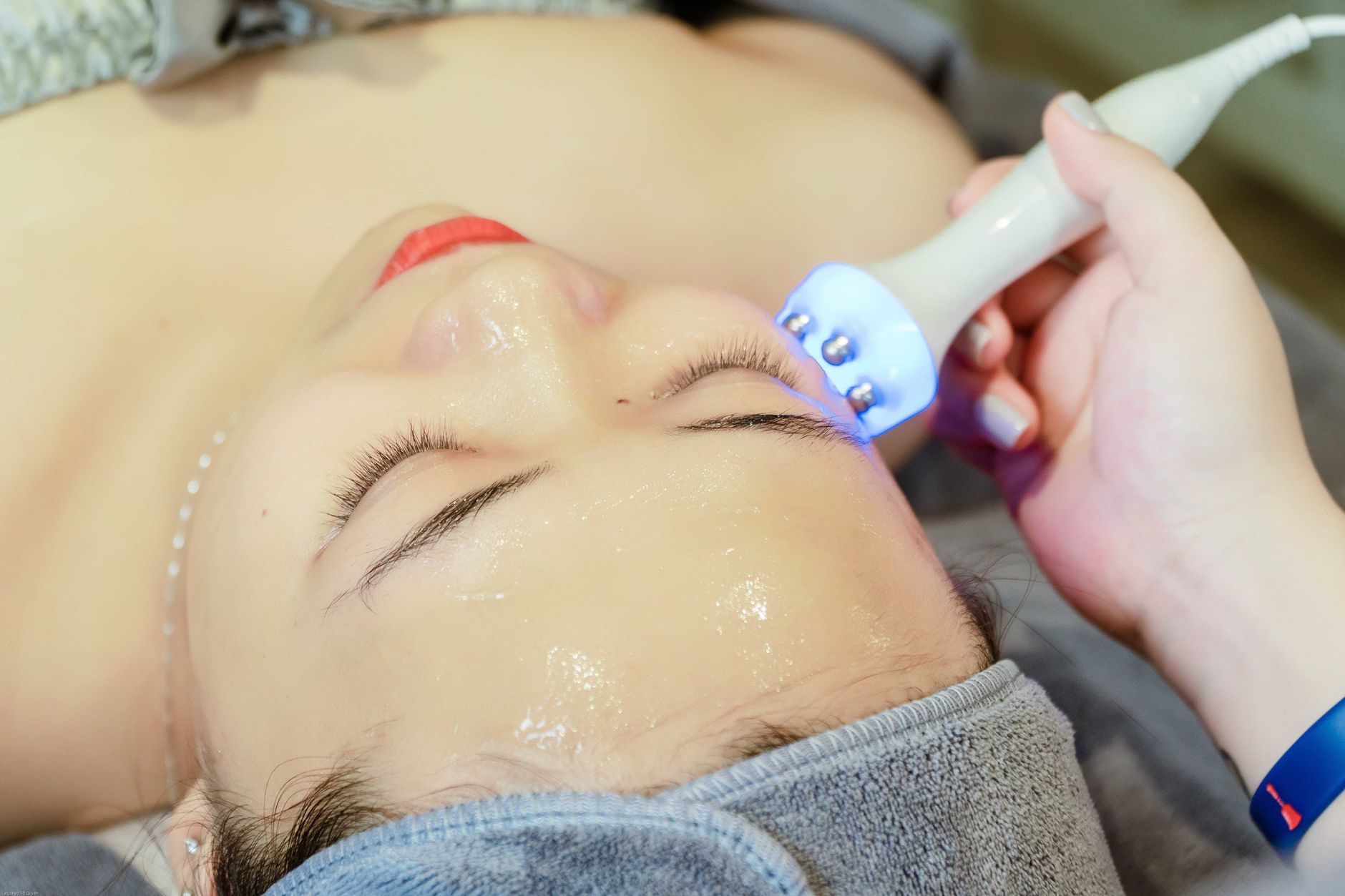
Yes for exfoliation and absorption, no for lifting or wrinkle removal. The physics of cavitation and acoustic streaming are well documented, and the transdermal delivery effect has decades of pharmaceutical research behind it. What remains thin is high quality clinical data on cosmetic ultrasonic facials specifically, measured against a control, over months.
Our take: treat an ultrasonic facial machine as a maintenance tool that improves how the rest of your routine performs. The customers who report the least satisfaction are the ones who bought a 40 dollar wand expecting the skin tightening results of focused ultrasound or RF based thermal devices, which work by a completely different mechanism and at a completely different energy level.
Almost no buying guide in this category publishes a direct comparison, so here is ours, based on the specifications of the units we list and the questions our B2B buyers ask before ordering.
| Factor | At home devices | Professional platforms |
|---|---|---|
| Typical configuration | Single ultrasonic spatula, battery powered | Trolley or desktop unit with 7 to 9 handpieces |
| Frequency | Usually around 28 kHz, fixed | kHz spatula plus MHz ultrasonic, often adjustable |
| Duty cycle | Short sessions, thermal cut outs common | Built for back to back client use |
| Session length | 5 to 10 minutes | 30 to 60 minutes as part of a protocol |
| Operator | You, with no training | Licensed esthetician in most jurisdictions |
| Typical price | Roughly 40 to 150 dollars | Professional tier, four figures for multi handpiece systems |
| Service and parts | Replace the whole unit | Replaceable handpieces, warranty, spare parts |
| Best for | Weekly maintenance between facials | Clinics, spas and serious home treatment rooms |
Pro Tip: if you are buying for a business, ask about handpiece replacement cost before you compare sticker prices. A platform with cheap spare transducers is usually the lower cost machine over three years.
Judge any ultrasonic device on six things, in this order of importance for most buyers.
How we picked: we ranked these by how much of a complete facial each machine can actually deliver, from full clinic platforms down to single function home wands, and noted price at every step. We sell the first three. We do not sell the last three, and we have included them because they are what most readers are genuinely comparing. We have not run side by side clinical measurements on any of them, and no retailer in this category honestly has. Prices for third party devices were current at the time of writing and move often.
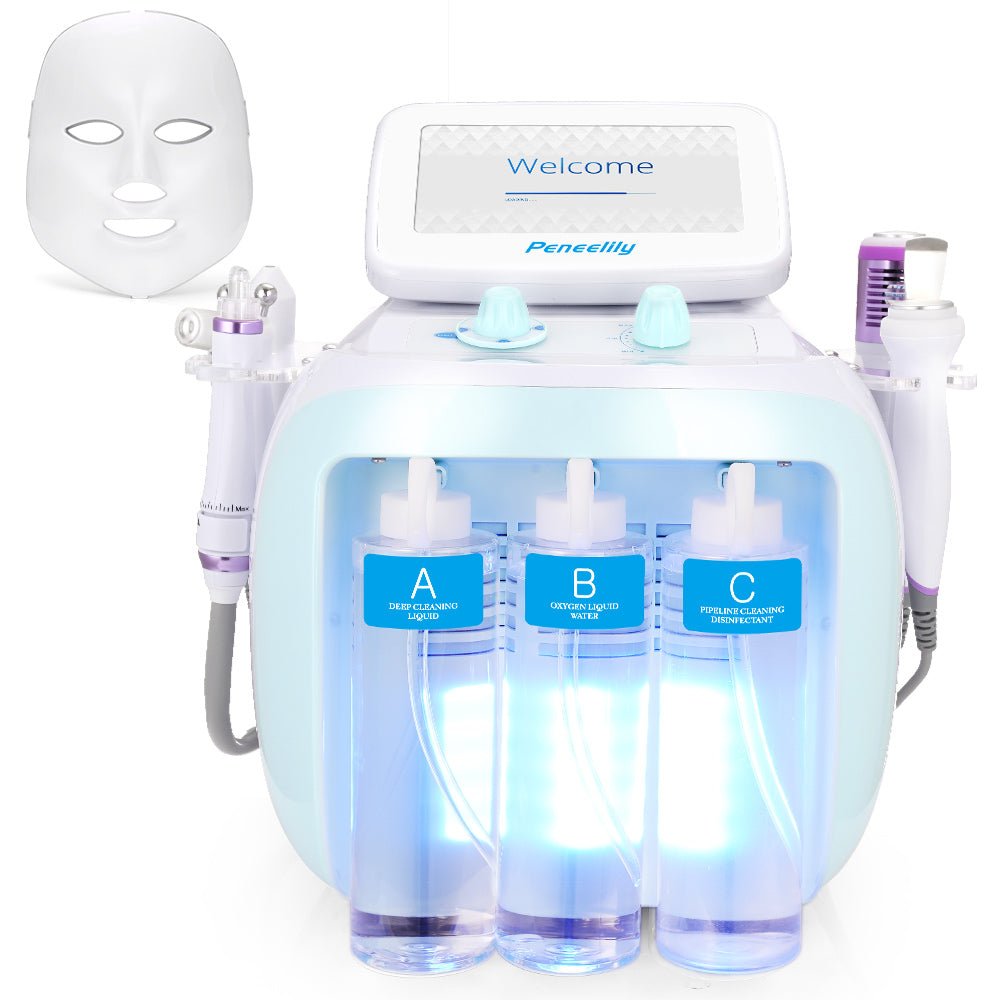
Our pick for a working treatment room. The 7 in 1 HydroSpa platform builds a full protocol around hydrodermabrasion cleansing with additional handpieces on one trolley, so ultrasonic work sits inside a sequence rather than standing alone. Not for: anyone with a bathroom shelf and ten spare minutes. It needs floor space, consumables and a water line routine, and it is priced as professional equipment. Check the handpiece list on the product page against your protocol before ordering.
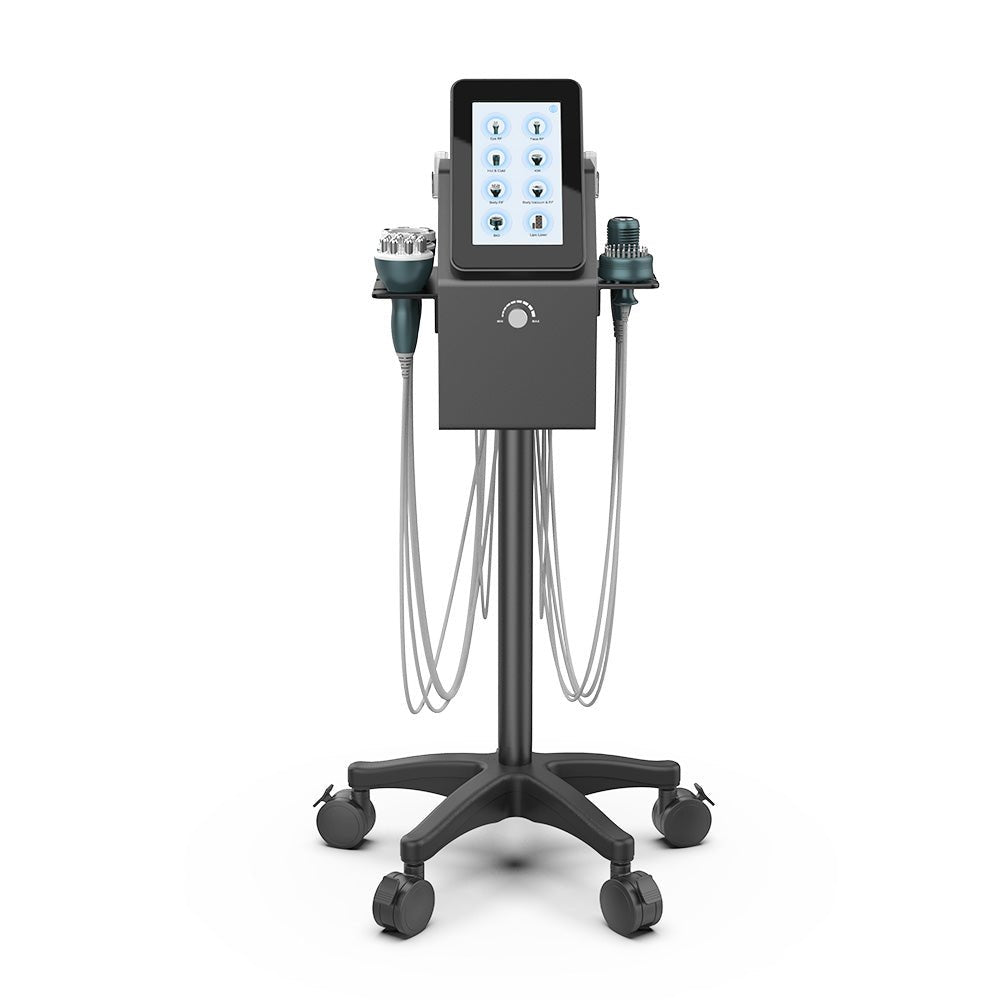
The broadest ultrasonic coverage we stock. The 9 in 1 ultrasonic system is built for operators who treat face and body from the same cart, which is why it is the one our multi service clinic buyers ask about most. Drawback: nine functions means nine learning curves, and small studios rarely use more than four of them. If body work is the priority, compare it against dedicated contouring equipment first.
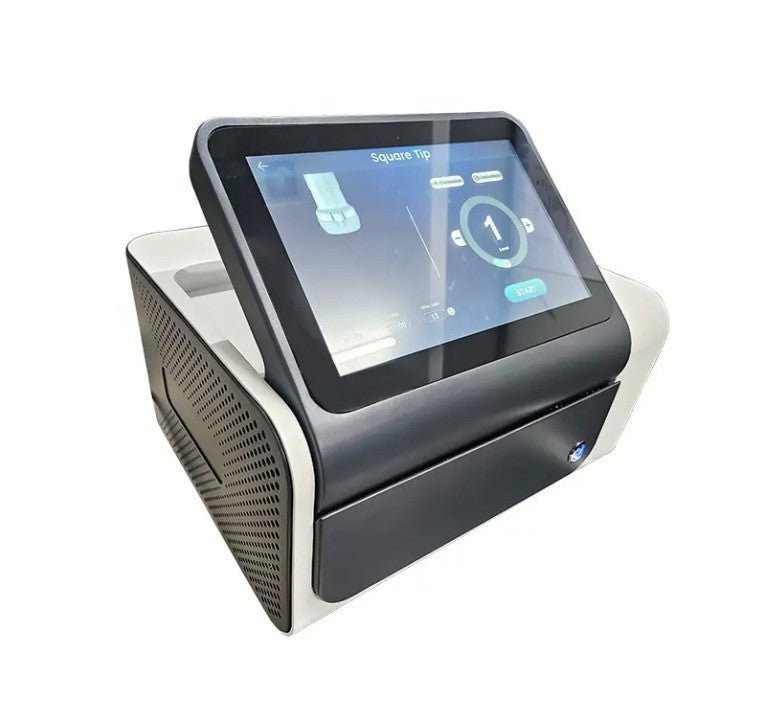
The best fit for facialists who finish with temperature work. The hot cold fusion system pairs thermal handpieces with plasma and ultrasonic style modalities, which is a sensible combination for post extraction calming. Not for: buyers who want one modality done perfectly. Combination platforms trade specialist depth for range, and that trade is the whole point of them.
The most polished home spatula, usually listed around 100 dollars. Two modes, extract and infuse, cover the whole realistic use case of a kilohertz device. Drawback: it is a single function tool at a price where budget scrubbers do the same mechanical job. You are paying for build quality and usability, not extra capability.
A step up in modes for around 150 dollars, with exfoliation, infusion and massage settings. Worth it if you will actually use the infusion mode with a thin, water based serum. Drawback: the added modes are difficult to distinguish by feel, and the price sits uncomfortably close to entry level professional handpieces.
The sensible entry point, typically 50 to 90 dollars depending on model and seller. Mechanically it performs the same surface task as devices costing three times more. Drawback: build quality and after sales support vary between batches and resellers, and the display settings imply more precision than the hardware delivers.
Once or twice a week at home, and every two to four weeks for a professional treatment. Exfoliation is cumulative, and the barrier needs the days in between to recover. A basic session runs as follows:
Pro Tip: skip the session entirely in the 48 hours after a retinoid, peel or wax. Stacking exfoliation is the fastest route to a damaged barrier.
Yes, within limits. Home spatulas replicate the surface exfoliation and infusion steps of a clinic facial safely, because their output is low by design. What they cannot replicate is the depth, the energy density and the diagnostic eye of a trained operator who adjusts settings to the skin in front of them. Treatments that remodel deeper tissue, including focused ultrasound and microneedling with radiofrequency, belong in trained hands regardless of what the device listing claims.
Cosmetic ultrasonic devices are low risk, but clinics apply the same screening they use for stronger ultrasound modalities, and that is the cautious default we recommend. A 2025 review of focused ultrasound in aesthetic practice lists dermal implants, pacemakers and metal implants, pregnancy and breastfeeding, and active skin infection among its strict contraindications.
For ultrasonic facials specifically, postpone or avoid treatment if you have:
If you are managing a diagnosed skin condition, clear the device with your dermatologist first. That is not boilerplate. It is the single question we refer back to medical advice most often.
Three things, from what we see in pre sale questions and returns.
First, the serum matters more than the device. A sonophoresis handpiece cannot push a thick, oil heavy cream anywhere. Buyers who pair a device with thin, water based actives are the ones who report a difference.
Second, nobody budgets for gel. Professional handpieces consume conductive gel continuously, and clinics that cost out a machine without consumables always underestimate the running cost.
Third, the honest ceiling is rarely stated. Ultrasonic is a cleansing and delivery technology. If the goal is laxity, texture or pigment, the relevant equipment is energy based, and we would rather send a buyer to the right category than sell the wrong machine. You can see how the modalities compare across our full range of professional facial equipment.
Energy level and depth. Ultrasonic facials deliver low intensity vibration at the skin surface for exfoliation and product delivery. High intensity focused ultrasound concentrates energy at a fixed depth to create thermal coagulation points in deeper tissue, which is why it is operated by trained professionals on dedicated equipment such as a 7D HIFU system. They share a physical principle and nothing else.
No and no, in most cases. The sensation is a faint buzzing with slight warmth from MHz handpieces. Mild transient redness can occur. If a device stings or feels hot, the skin is too dry or the intensity is too high.
Water or toner is sufficient for a kilohertz spatula, since the blade only needs a wet surface to work against. Megahertz transducers need a proper conductive gel or a water based serum, because air gaps block ultrasound transmission almost completely.
The smoothness and glow from a single session typically fade within three to seven days as the skin completes its natural turnover. Benefits related to product absorption depend entirely on continued use of the actives involved.
Wait, and ask your injector. Most clinics ask clients to avoid facial devices and vigorous manipulation for about two weeks after injectables. Timelines vary by product and practitioner, so the instruction from the person who treated you overrides any general guidance.
Oily, congested and normal skin tolerates them well. Dry or sensitised skin should use shorter sessions and lower frequency of use. Anyone with rosacea, eczema or active acne should treat the device as optional and clear it medically first.
We list professional grade systems from multiple manufacturers with specifications, warranty terms and support details on every listing. Browse the facial equipment collection to compare handpieces and pricing, or contact us with your protocol and we will tell you honestly whether an ultrasonic platform is the right purchase for it.
Prefer to listen? Ultrasonic Facial Machines: What They Actually Do
A 6-minute conversation from Longevity Based.
Follow the show on Spotify · Apple Podcasts · Amazon Music · iHeartRadio

About the author
Jacob Gendron
Jacob Gendron is a digital growth consultant at Longevity Based. He writes about professional aesthetic and fitness equipment, helping clinics, studios, and home buyers compare options and make informed purchasing decisions.


