

Mon-Fri 9am-6pm PST
+1 (800) 686-5898
support@longevitybased.com
Mon-Fri: 9am-6pm PST

Yes, home cavitation machines work, but only modestly. Expect roughly 1 to 3 cm off a treated area after a course of 6 to 12 weekly sessions, not weight loss on the scale. Home units run at lower output than clinic systems, so results build slower and depend on staying in a calorie deficit. Prices run from about $50 for a handheld wand to roughly $4,000 for a professional-grade trolley unit, and the best performers pair 40 kHz ultrasound with radiofrequency and vacuum.
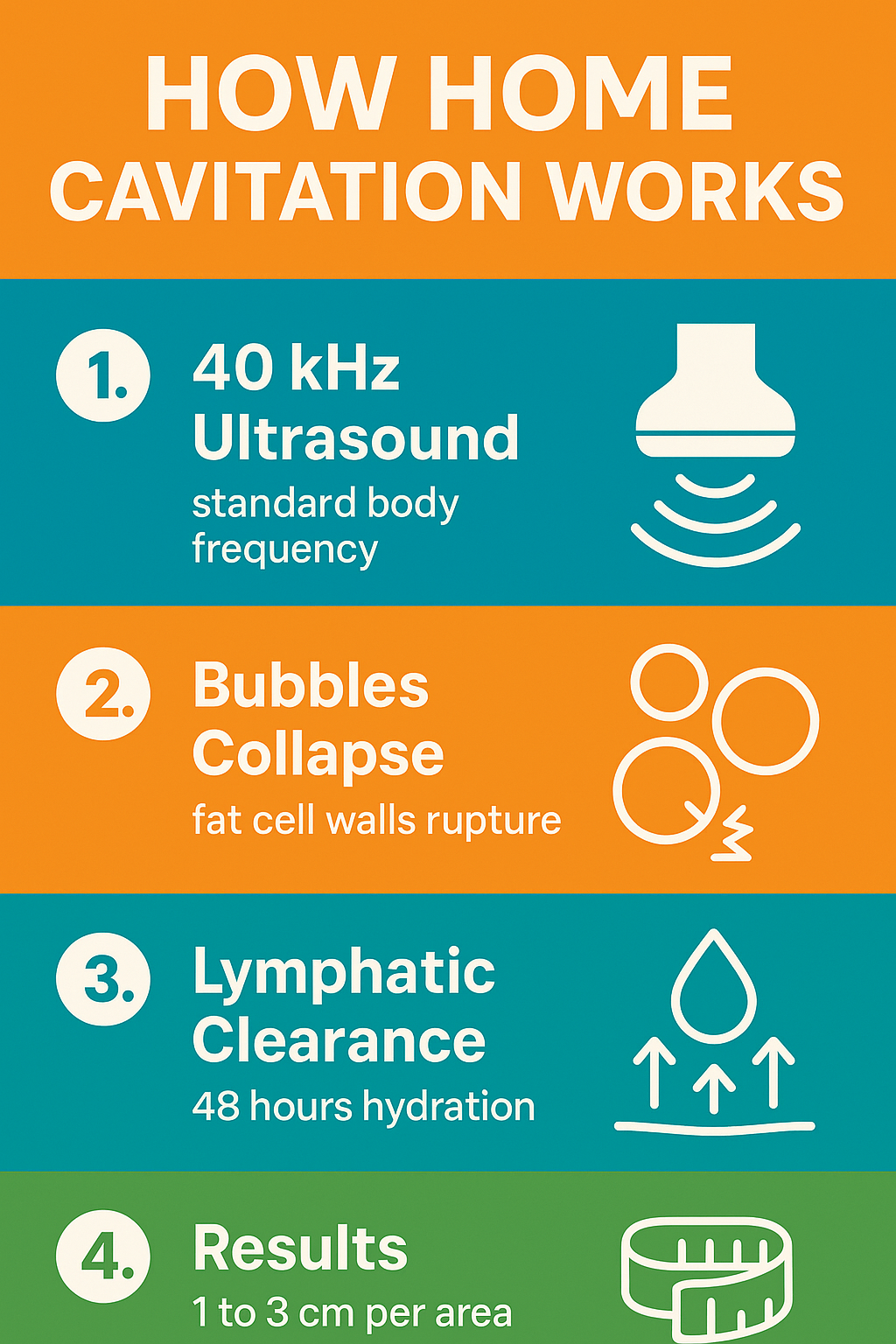
A home cavitation machine is a consumer or semi-professional device that delivers low-frequency ultrasound through a handheld probe to break down localized fat deposits under the skin. It is the same category of technology used in med spas for body contouring, shrunk into a tabletop or handheld format you operate yourself.
Most units sold for home use run a 40 kHz cavitation handle, and many add extra handles for radiofrequency, vacuum suction, EMS pads or LED. The multi-handle format is why these are marketed as body sculpting machines rather than single-purpose fat devices.
Two things they are not: a weight loss tool and a medical treatment. Cavitation targets a pocket of subcutaneous fat over an area such as the abdomen, flanks, thighs or upper arms. It does nothing for visceral fat around the organs and nothing for overall body weight unless your diet does the work alongside it.
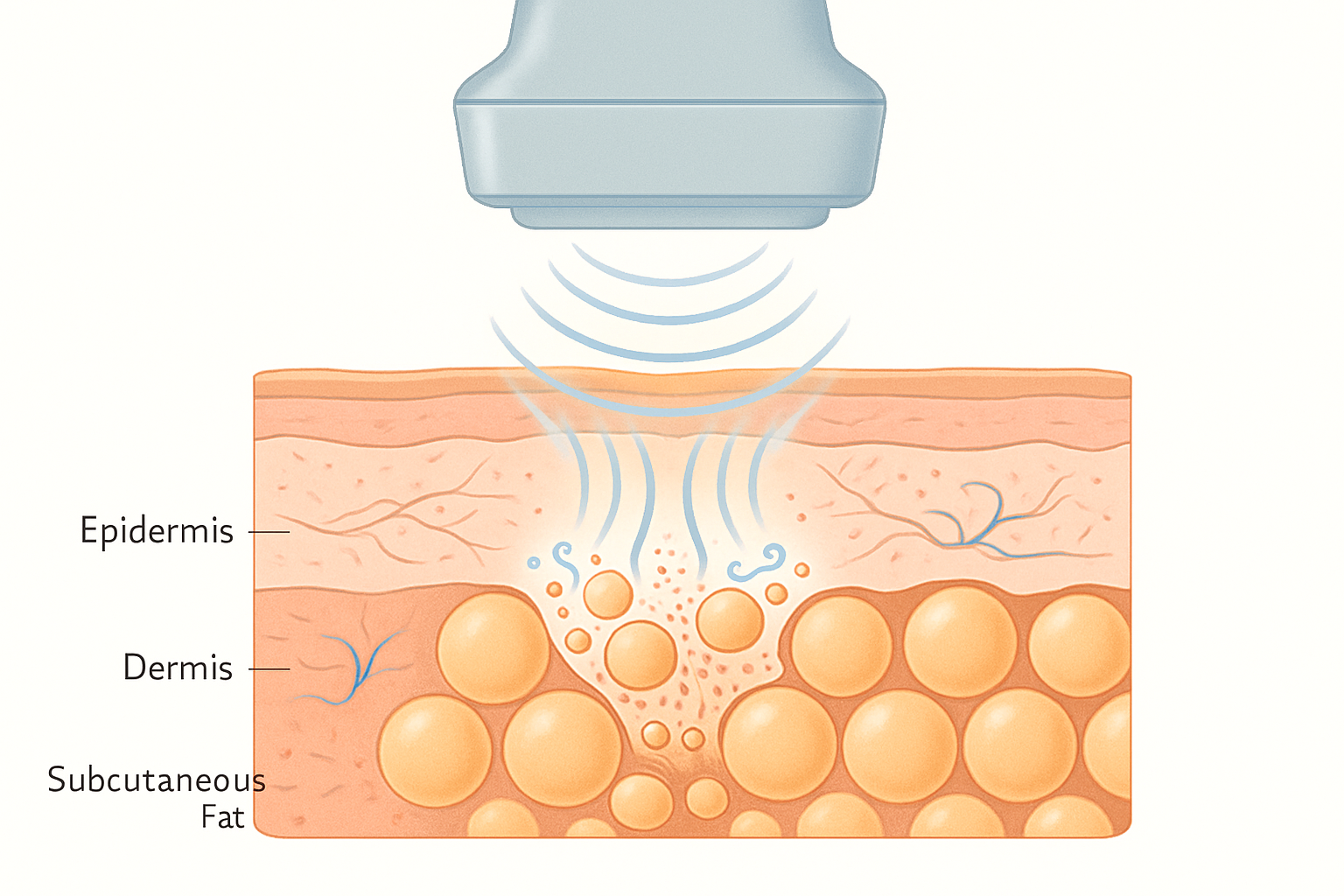
Ultrasonic cavitation works by sending low-frequency sound waves into the fat layer, creating rapid pressure changes that form and collapse microscopic vapor bubbles against fat cell membranes. The mechanical stress damages the membrane, triglycerides leak out, and the lymphatic system and liver clear the released contents over the following weeks.
Frequency is the key spec. Low-frequency, non-thermal ultrasound in the 25 to 80 kHz range is chosen specifically because it favors cavitation while generating very little heat, a distinction laid out in the Journal of Drugs in Dermatology review of ultrasound technologies in dermatology. High-intensity focused ultrasound, by contrast, uses much higher frequencies to heat and destroy tissue at a focal point.
That matters for expectations at home. Clinic systems such as Liposonix and UltraShape are focused, higher-powered platforms cleared by the FDA for abdominal and waist circumference reduction, according to the American Board of Cosmetic Surgery. A 40 kHz home handle spreads less energy over a wider area, so it takes more sessions to move the tape measure.
At-home cavitation devices produce real but small circumference changes, and only when they are used consistently alongside diet and exercise. The clinical evidence for cavitation as a technology is decent; the evidence for low-cost consumer wands specifically is thin, because almost every published trial uses professional equipment.
In a randomized trial published in PLOS One, 34 patients with fatty liver were split between focused ultrasound cavitation plus aerobic exercise and exercise alone for three months. Both groups improved, but the cavitation group showed significantly greater reductions in waist circumference and liver fat, with between-group differences at P < 0.0001.
A separate randomized clinical trial of 50 women in Mashhad, Iran, indexed on PubMed, combined radiofrequency and ultrasound cavitation with a 500-calorie daily deficit. The treated group lost 3.76 cm from the waist against 2.40 cm for diet alone.
Read those numbers carefully. The added benefit of cavitation over diet and exercise was roughly a centimeter and a half, using clinic-grade machines and supervised protocols. Home cavitation machines should be judged against that ceiling, not against liposuction.
The best home cavitation machines fall into five price tiers, and the right one depends on whether you are treating yourself twice a week or building a small studio. Below is the comparison none of the top-ranking pages actually publish, followed by short notes on each tier.
| # | Machine / tier | Best for | Typical price | Key features | Main drawback |
|---|---|---|---|---|---|
| 1 | Shape Tactics 9-in-1 Cavitation and RF Contouring System | Best overall for serious home use | About $1,039 | 40 kHz cavitation, multipolar RF, vacuum, EMS pads | Trolley footprint needs dedicated space |
| 2 | Shape Tactics Advanced 9-in-1 Ultrasonic Face and Body System | Best face plus body combination | About $1,070 | Body cavitation plus dedicated facial RF handle | Learning curve across nine modes |
| 3 | Winkonlaser DimaSlim HUR50 | Best pro-grade unit for home studios | About $3,980 | Higher output, clinic-style handles and presets | Overkill for one user |
| 4 | Salon-style stand units (40K + RF + vacuum) | Best mid-range value | $700 to $950 | Multiple handles, adjustable intensity, timer | Build quality varies widely by seller |
| 5 | Portable 3-in-1 tabletop 40K devices | Best budget pick | $150 to $400 | Cavitation plus RF in a carry case | Short duty cycles, modest power |
| 6 | Single-probe handheld wands | Beginners testing the idea | $50 to $150 | Cordless, simple one-button operation | Weakest output, slowest results |
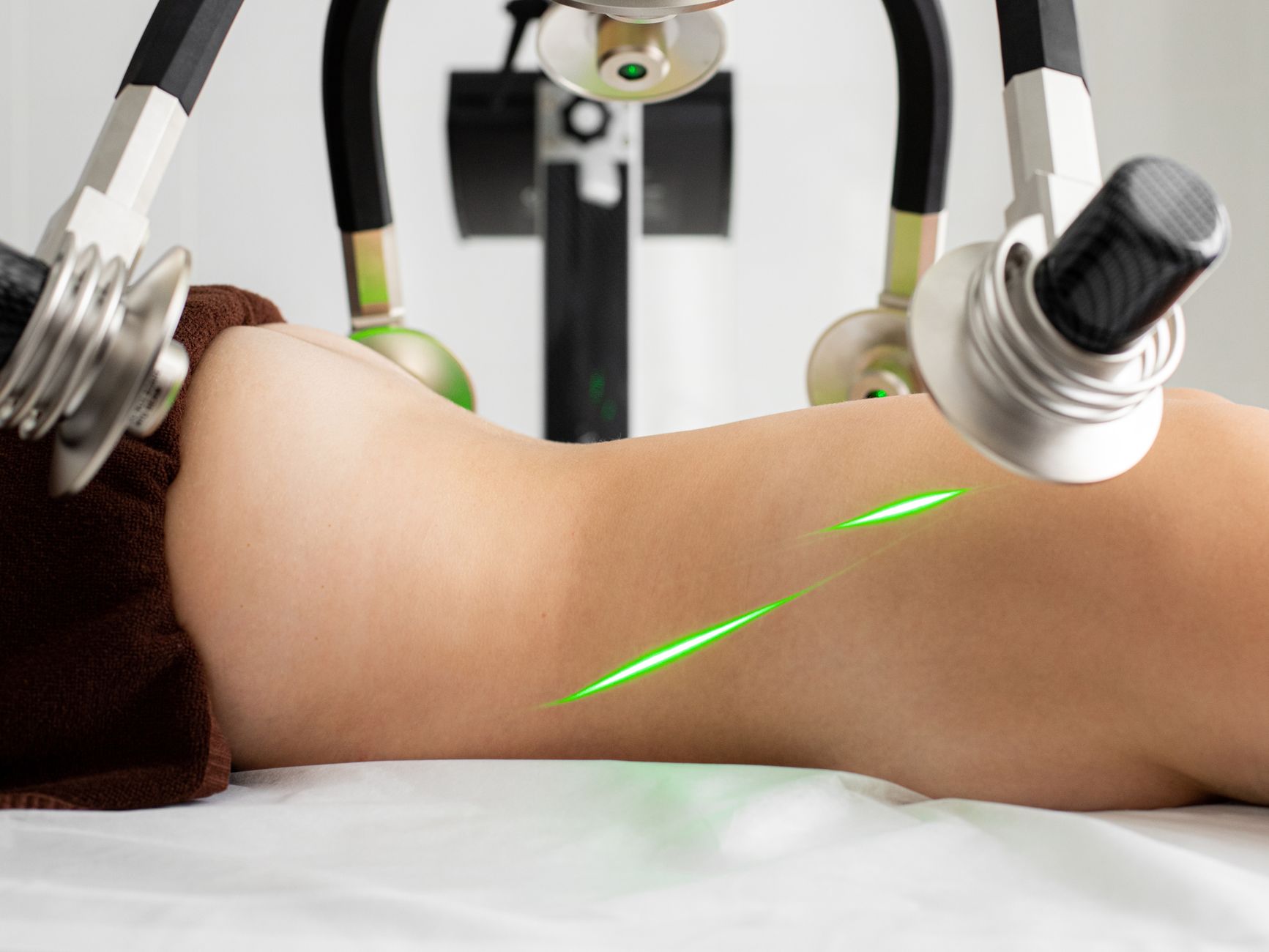
This is the sweet spot for home users who want clinic-style results without clinic pricing. Nine handles cover 40 kHz cavitation, multipolar radiofrequency for skin tightening and vacuum for lymphatic drainage, which is the combination the research actually supports. At roughly $1,039 it pays for itself against four clinic sessions.
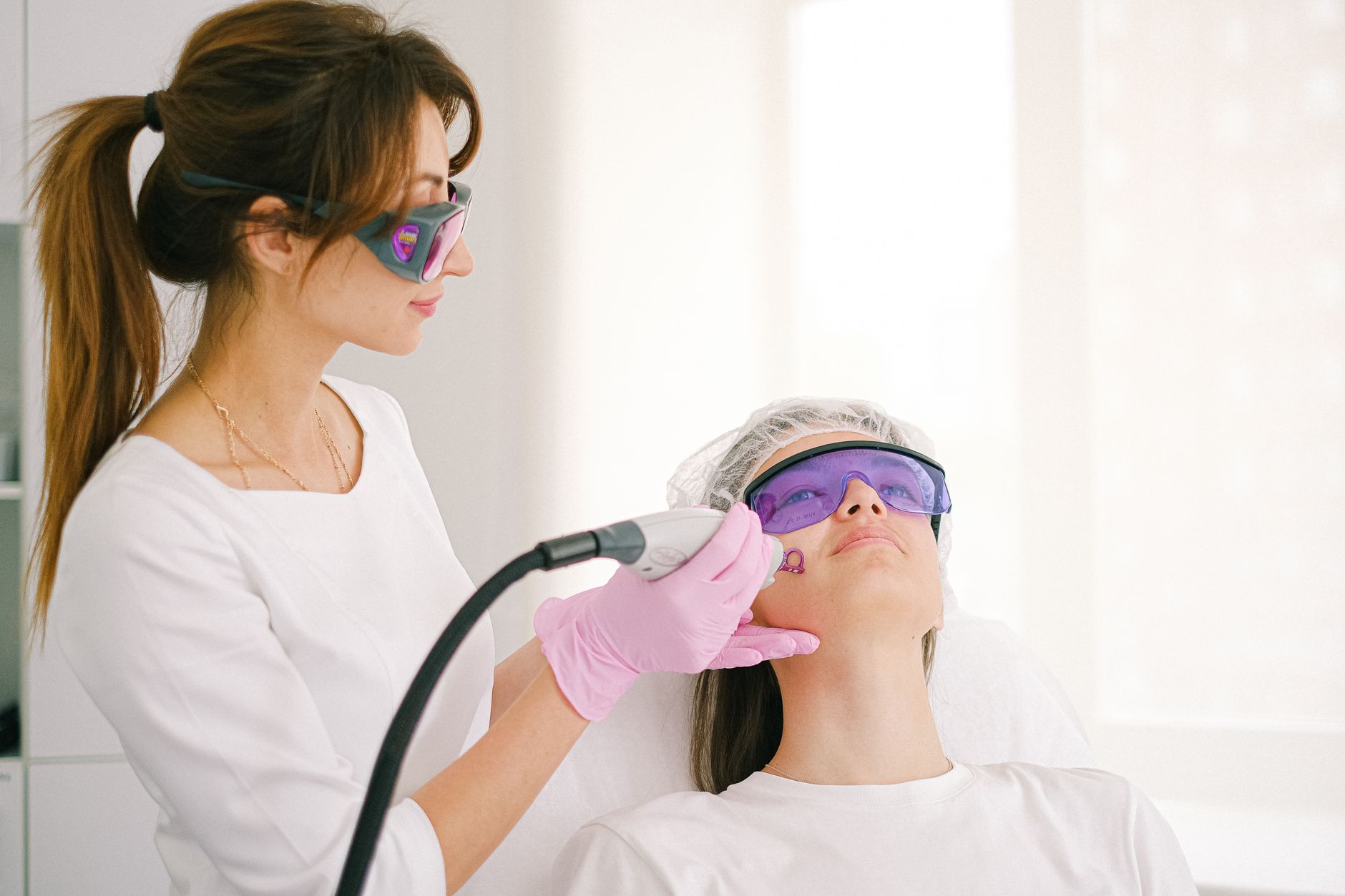
Choose this version if you want one machine for jawline and abdomen. It adds a smaller facial handle so you are not putting a 40 kHz body probe near the face, which you should never do. If facial work is the priority, compare it against dedicated facial machines before you buy.
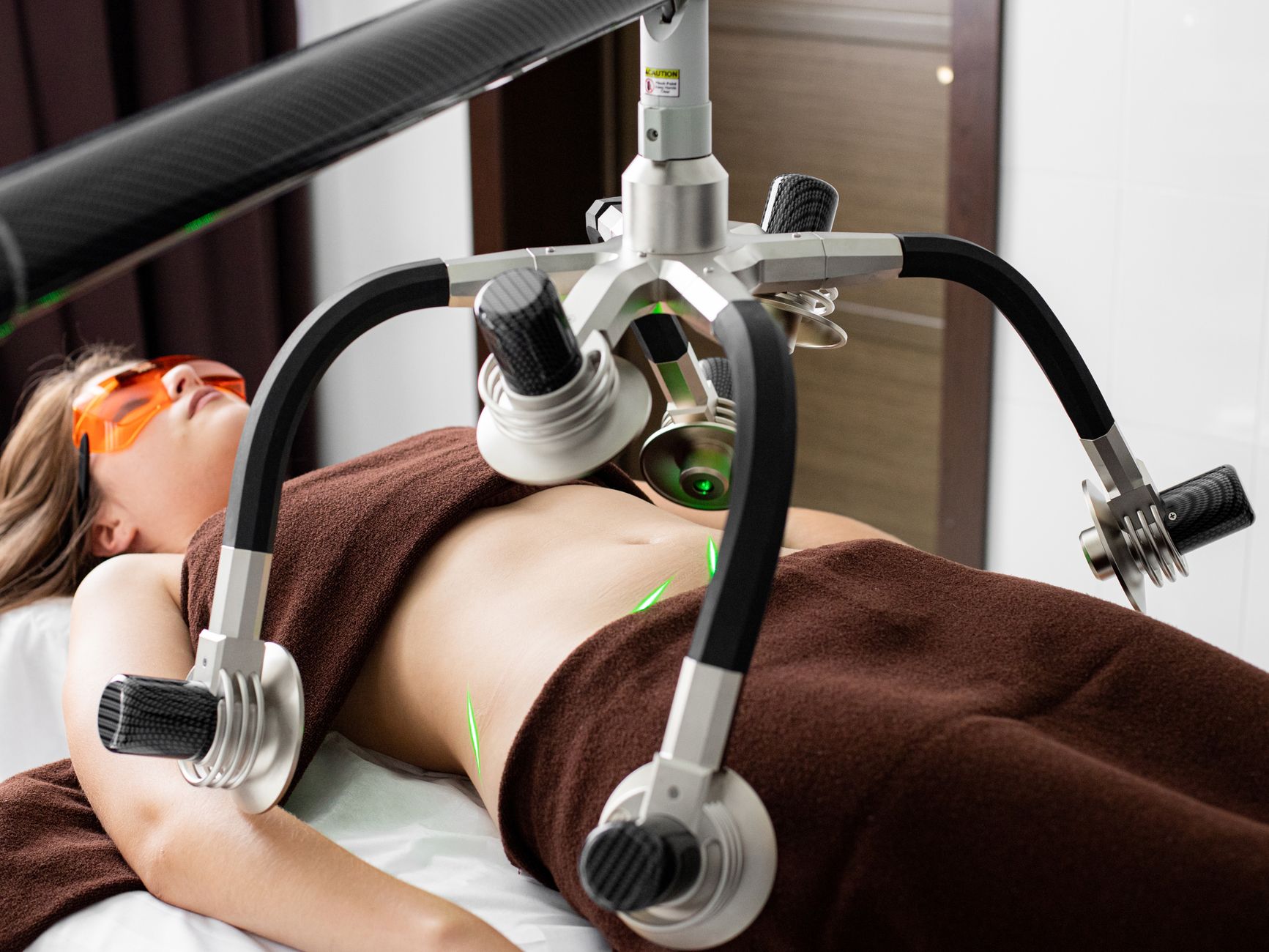
At about $3,980 this is professional equipment that happens to fit in a spare room. It makes sense if you treat clients, share it across a household or want the higher output and service support that come with commercial hardware. See the full range of body sculpting machines to compare specifications.
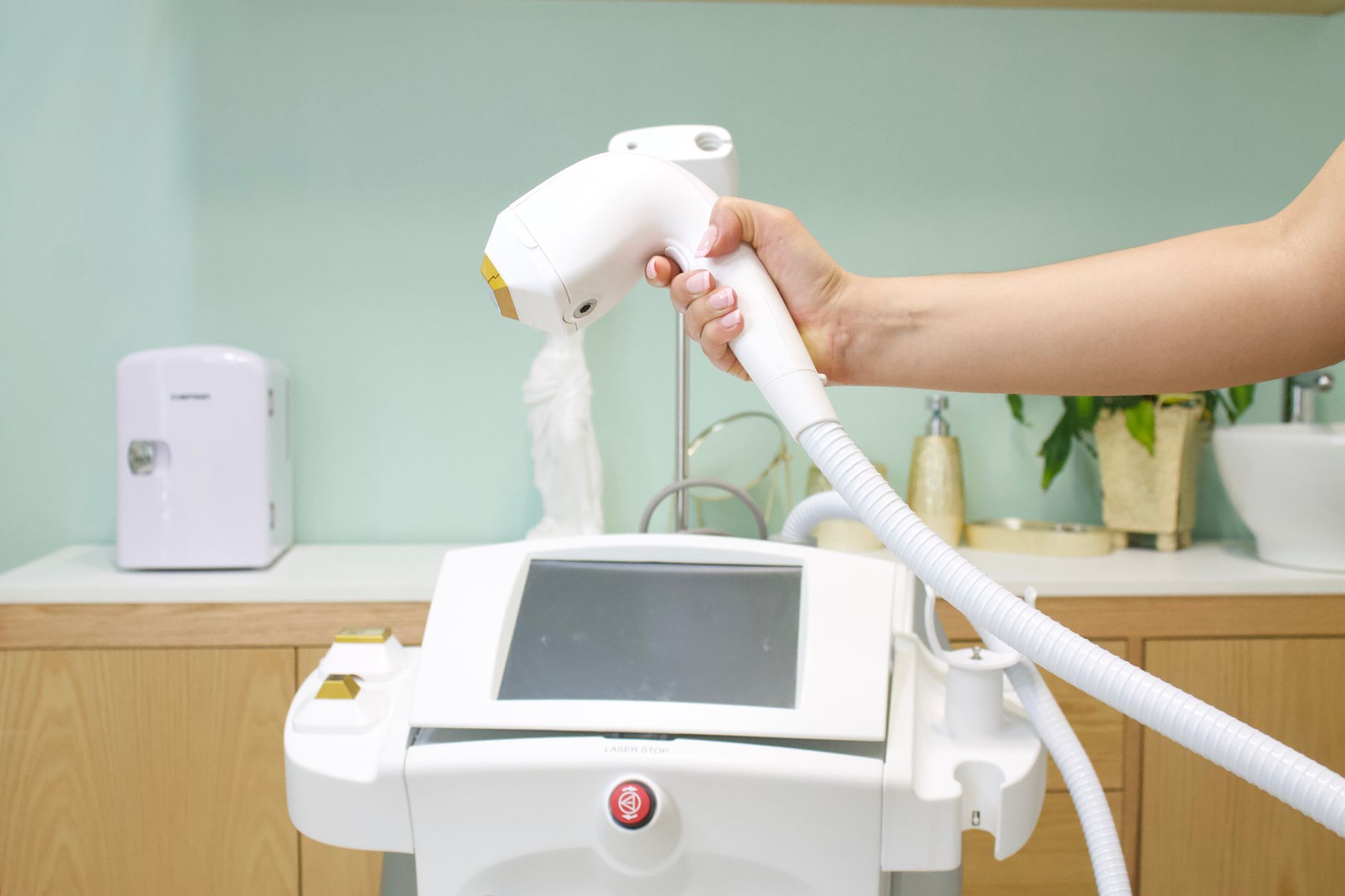
In the $700 to $950 band you get most of the capability of the tier above with less refined build quality. Check the warranty, the handle replacement policy and whether intensity is adjustable in steps rather than a single fixed setting. Anything advertised as a 9-in-1 for under $300 is usually not.
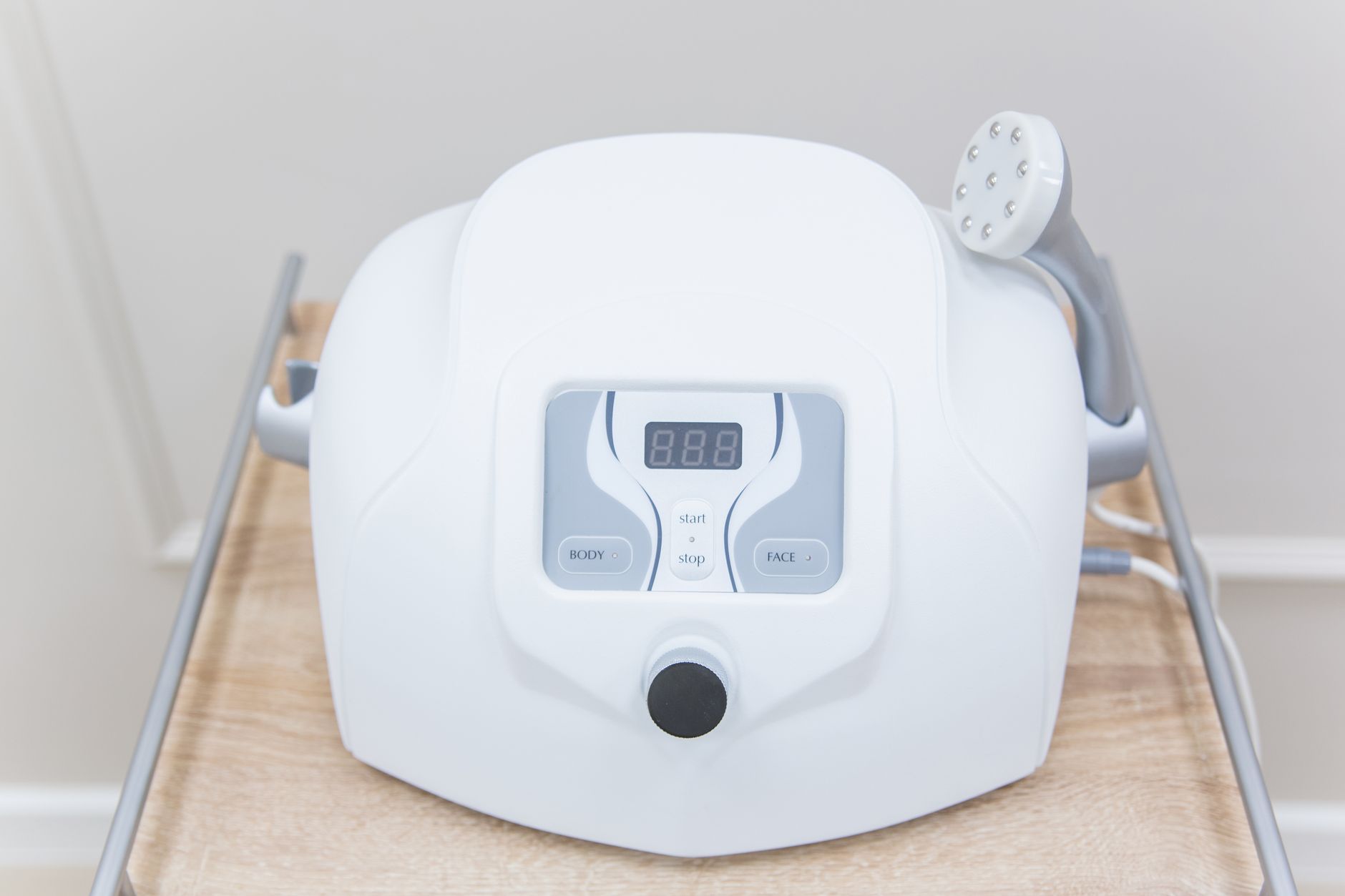
These $150 to $400 units are the realistic entry point. They deliver genuine 40 kHz cavitation with a smaller transducer and shorter safe run times, so a full abdomen takes longer to cover. They suit one person treating one or two areas.
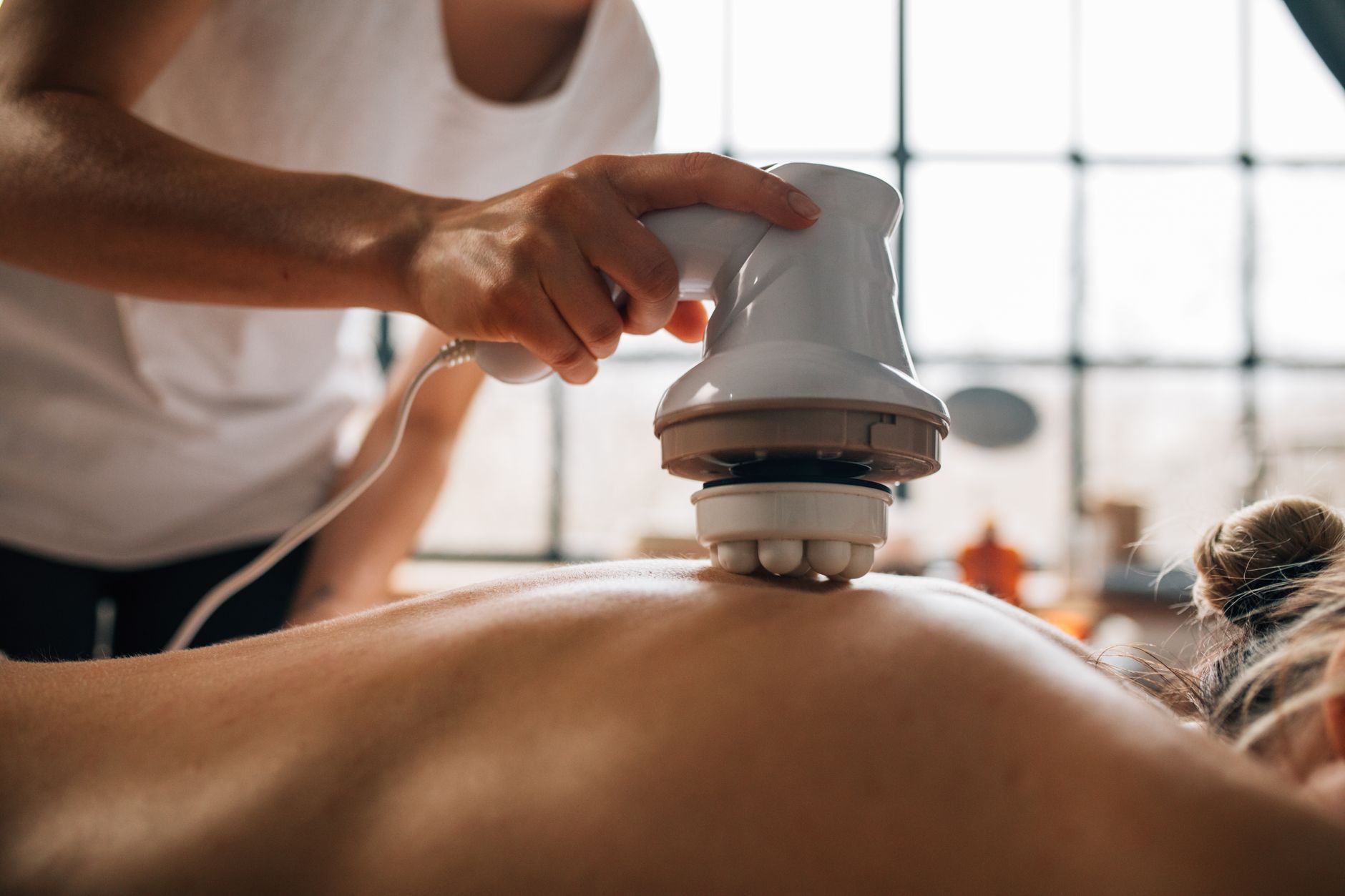
Under $150, these are the devices that give the category a mixed reputation. Output is low, treatment heads are small and many are closer to a vibrating massager than a true cavitation handle. Buy one to test your consistency, not to expect a result.
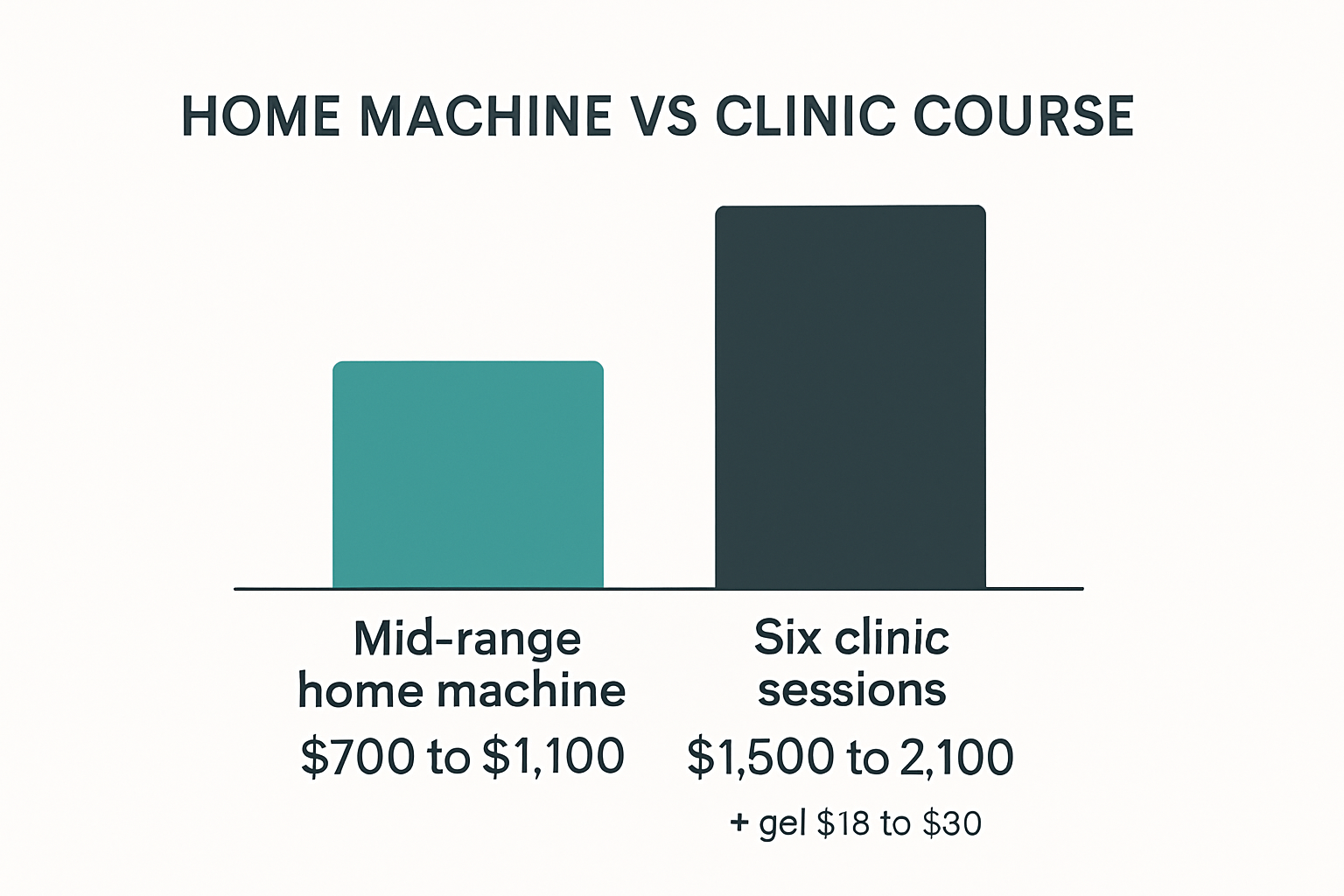
Home cavitation machines cost between $50 and $4,000, with most capable multi-handle units landing between $700 and $1,100. Clinic sessions, by comparison, typically run $250 to $350 each, so a standard six-session course costs $1,500 to $2,100 before any maintenance treatments.
That arithmetic is the entire commercial argument for buying. One mid-range machine costs less than a single course of professional treatments and has no per-session cost afterwards.
The main downsides of fat cavitation are modest results, the need for many sessions, and mild temporary side effects. It is a low-risk treatment, but low risk is not the same as no risk.
Two practical limits matter more than side effects. Results are gradual, with clinic outcomes typically final within 6 to 12 weeks, and destroyed fat cells do not return but remaining cells can still enlarge if you gain weight.
Choose based on frequency, handle count, adjustability and support, in that order. Marketing copy about "fat melting" tells you nothing; the spec sheet does.
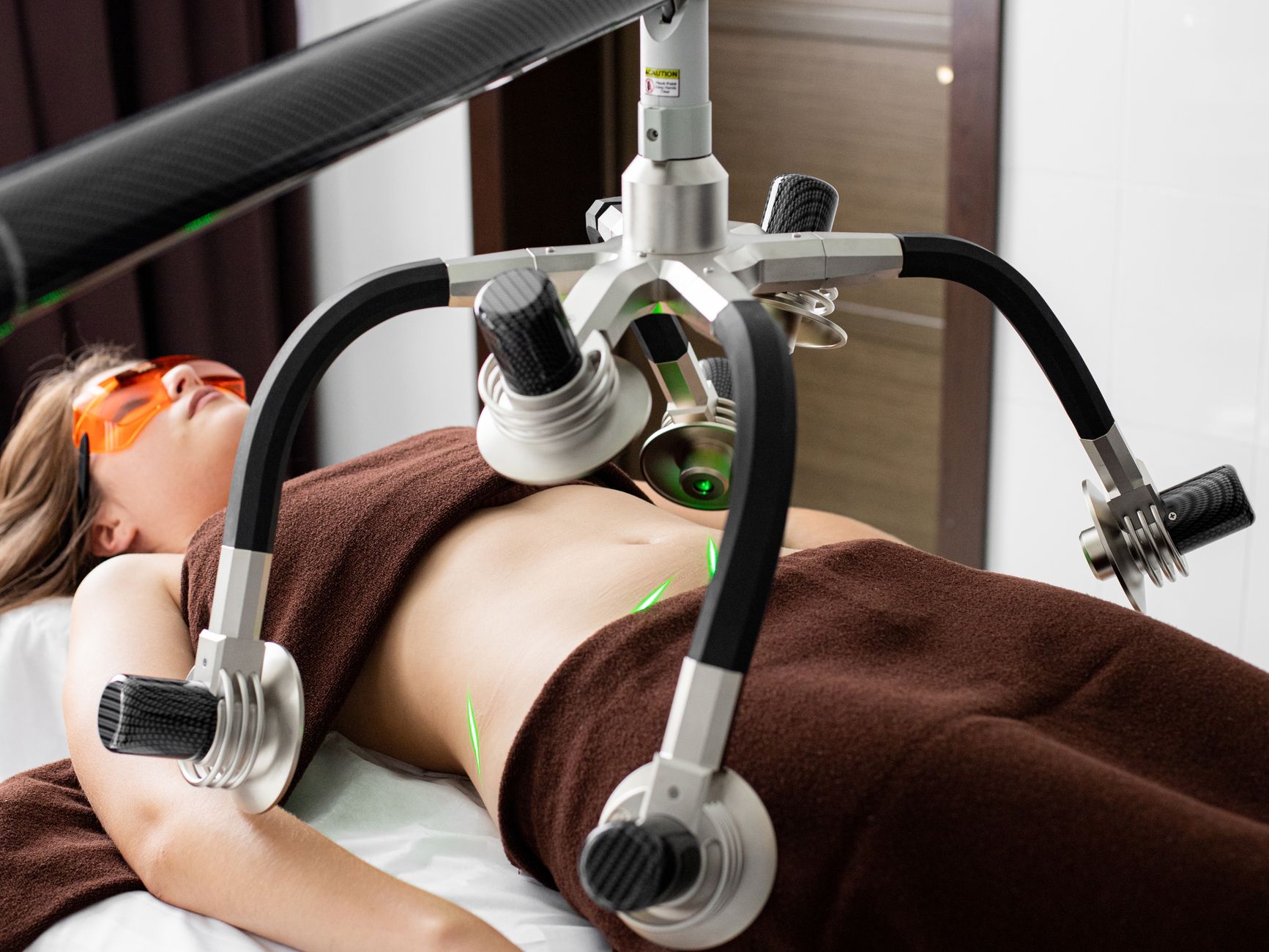
If skin texture rather than volume is your real complaint, this collection and resurfacing platforms like these laser systems address it far better than any cavitation handle.
Use a home cavitation machine on one area at a time, for 20 to 30 minutes, no more than twice per week per area. Follow this sequence.
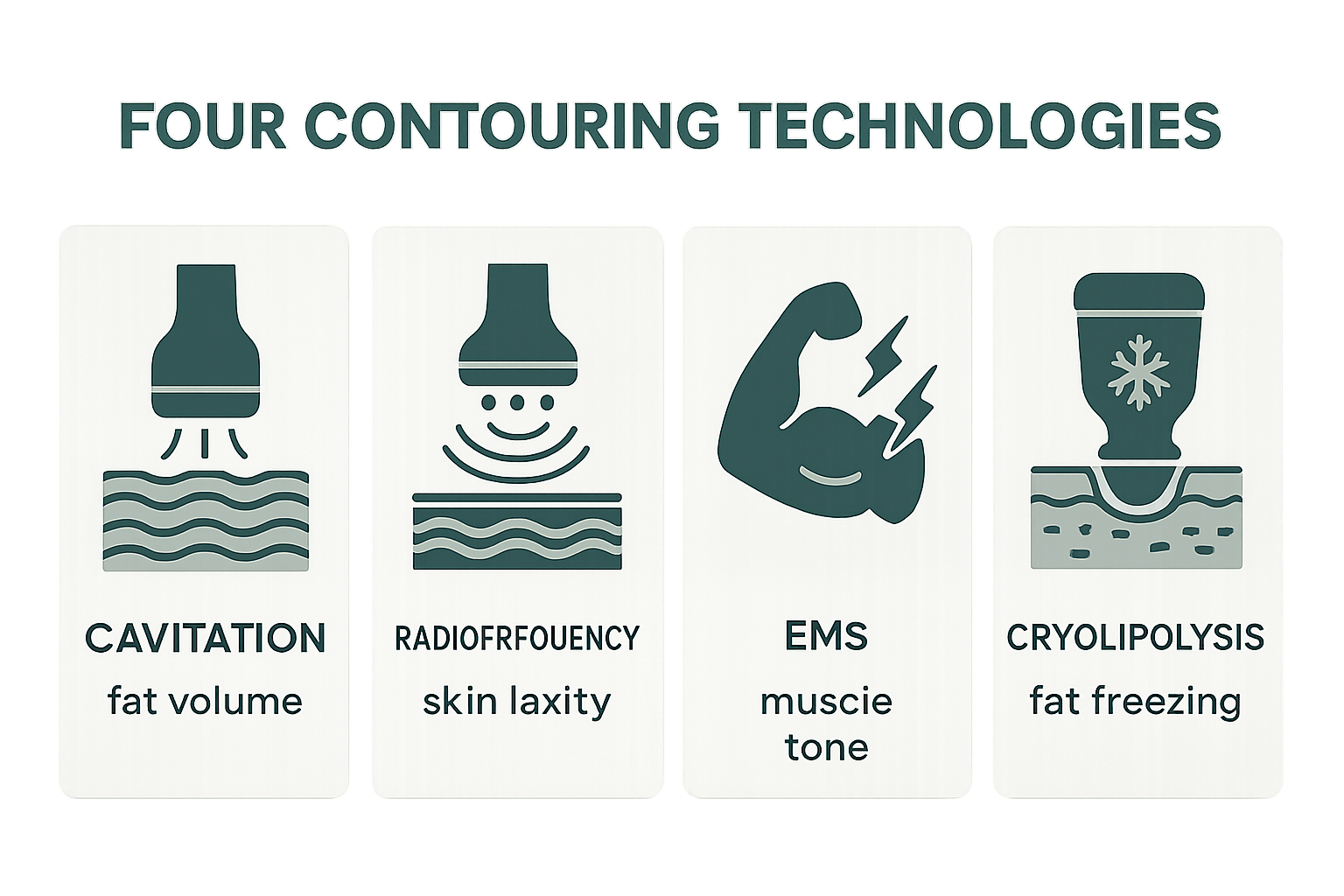
Cavitation reduces fat volume, radiofrequency tightens skin, EMS builds muscle tone and cryolipolysis freezes fat cells. Most visible home transformations use two of the four.
| Technology | What it targets | Typical home price | Sessions to result |
|---|---|---|---|
| Ultrasonic cavitation | Localized subcutaneous fat | $50 to $4,000 | 6 to 12 |
| Radiofrequency | Skin laxity and collagen | $200 to $3,000 | 6 to 10 |
| EMS / HIEMT | Muscle contraction and tone | $300 to $6,000 | 4 to 8 |
| Cryolipolysis | Fat cell freezing | $2,000 to $6,500 | 1 to 3 |
Ready to compare real hardware and specifications side by side? Shop the full body contouring range and filter by technology, price and treatment area.
Most people see a measurable change after 3 to 4 sessions and a clear result after a full course of 6 to 12 sessions, spaced 3 to 7 days apart per area. Clinic outcomes are usually final within 6 to 12 weeks of the last treatment.
The fat cells destroyed by cavitation do not grow back, so that reduction is permanent. Remaining fat cells can still enlarge if you gain weight, which is why results hold only with a stable diet.
Not with a 40 kHz body handle. Facial work needs a dedicated low-power facial or RF handpiece, and the body probe should stay away from the face, thyroid and eyes entirely.
Avoid cavitation if you are pregnant or breastfeeding, have a pacemaker or metal implant in the treatment area, have liver or kidney disease, a bleeding disorder or active cancer, or are treating over broken skin. Check with your doctor first if you take blood thinners.
It helps the appearance of cellulite indirectly by reducing the fat volume beneath the dimples, but it does not cut the fibrous bands that cause them. Combining cavitation with radiofrequency and vacuum gives better cellulite results than cavitation alone.
Treat the same area no more than twice a week, allowing at least 72 hours between sessions so the lymphatic system can clear released triglycerides. Different areas can be treated on different days.
Yes. Use a water-based ultrasound gel, never oil, lotion or cream, because oils block ultrasound transmission and can cause hot spots on the skin.
Most consumer units are not. FDA clearance for ultrasound fat reduction applies to professional platforms such as UltraShape and Liposonix, which are cleared for abdominal and waist circumference reduction and are operated by trained providers.
No. Most users describe warmth and a faint high-pitched buzzing in the ear during treatment, with mild redness afterwards. Sharp pain means the intensity is too high or the probe is over bone.
Prefer to listen? Home Cavitation Machines: Do They Actually Work?
A 5-minute conversation from Longevity Based.
Follow the show on Spotify · Apple Podcasts · Amazon Music · iHeartRadio

About the author
Jacob Gendron
Jacob Gendron is a digital growth consultant at Longevity Based. He writes about professional aesthetic and fitness equipment, helping clinics, studios, and home buyers compare options and make informed purchasing decisions.


